Why Luxury Skincare Brands Are Losing Ground to Indie Brands on Social (And What to Do About It)
Indie beauty brands are growing their share of social influence far faster than the big portfolio houses. This piece explains why luxury skincare is losing ground, from broadcast-style content and one-off creator deals to slow platform shifts, and the five changes heritage brands can make to win it back.

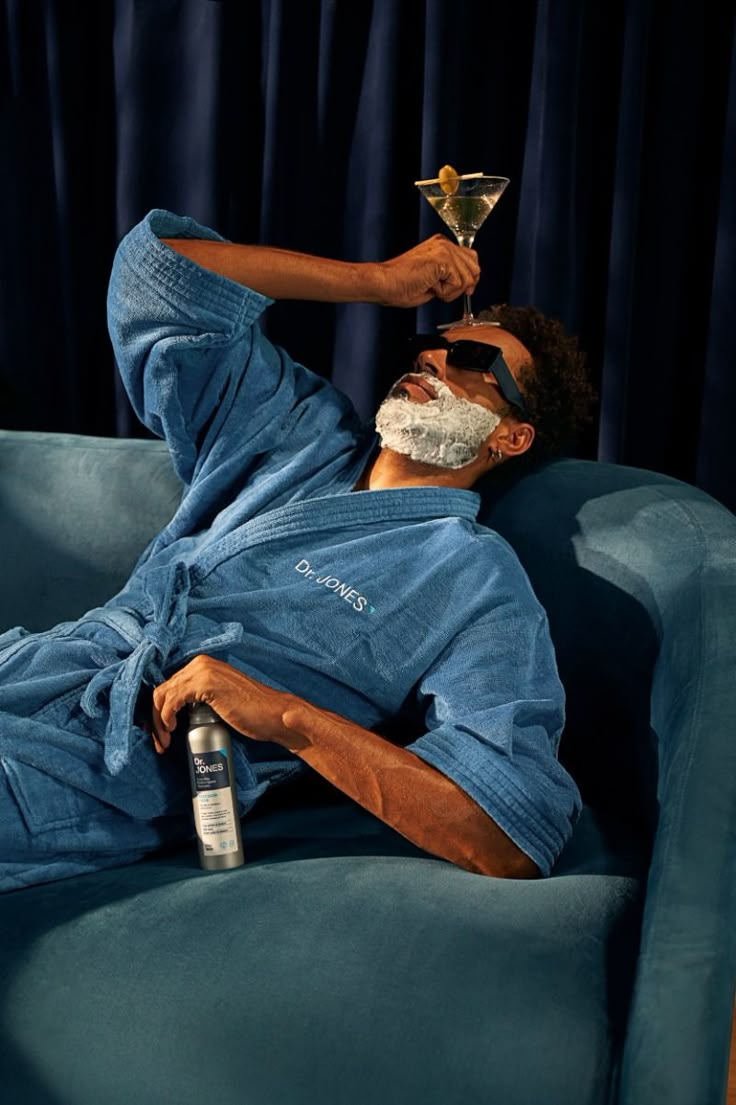
Luxury skincare brands have never had bigger budgets, larger follower counts or more sophisticated production. And yet on social they're being outpaced by brands that launched on Instagram, sell through TikTok Shop and are run by founders who still reply to comments themselves.
This isn't David beating Goliath. It's what happens when a category's rules change and the incumbents keep playing the old game.
The data is clear. Traackr's analysis of 256 beauty companies across TikTok, YouTube and Instagram found independent brands growing their share of influence at 14 times the rate of global portfolio companies such as Estée Lauder, L'Oréal and Coty. The top 30 indie brands now hold 20.4% of beauty's share of influence, up from 19.1% a year earlier.
The gap is structural, not cosmetic. Closing it means understanding how luxury brands approach social, what indie brands do differently, and where heritage names can win if they adapt.
At a Glance: Where Indie Brands Are Winning
| Finding | Source |
|---|---|
| Indie brands growing share of influence 14x faster than portfolio companies | Traackr via Forbes |
| Top 30 indies hold 20.4% of beauty share of influence (up from 19.1%) | Traackr 2025 Indie Beauty Report |
| Indies retain 48.3% of their creators, earning nearly two-thirds of their attention from them | Traackr 2025 Indie Beauty Report |
| Indie content earns roughly 3x higher share and save rates while posting less | Traackr 2025 Indie Beauty Report |
| Paid creator collaborations up 41%+ in a year, while engagement fell nearly 20% | Traackr via Forbes |
The Broadcast Problem
Most luxury skincare brands were built on broadcast. A campaign was conceived months ahead, shot by a celebrated photographer, placed in glossy magazines and amplified through retail. Social was grafted onto that model as another distribution channel, which is where the problem starts.
When brands treat social as broadcast, the content shows it: polished, aspirational, art-directed. Beautiful, certainly. But platforms don't reward beauty in isolation. They reward conversation, participation and the sense that something real is happening.
Comments, shares and saves are the signals algorithms read as genuine interest. A post with 50,000 views and 12 comments tells the platform something very different from one with 10,000 views and 400 comments.
Why polished content underperforms
The issue isn't production quality itself. It's what high-gloss content implies to an audience trained by TikTok to value authenticity over aesthetics.
A perfectly lit campaign visual from a heritage house lands like a billboard: informative, maybe beautiful, but not something you feel invited to answer. A founder explaining why they reformulated a moisturiser, or a creator reacting to a product for the first time, sets up a different contract. The audience is being spoken to, not at.
The Creator Retention Gap
Luxury brands do invest in creators. Across beauty, paid creator collaborations rose more than 41% in a year, but engagement fell by nearly 20% over the same period. More spend produced less return.
The reason is how that spend is deployed. Large portfolio brands often treat creators as placements: allocate budget, send a brief, approve the content, post, end the relationship. That produces predictable, brand-safe content audiences have learned to scroll past.
Indie brands build ongoing relationships with a smaller pool of creators who genuinely use the product. Traackr found indies retain 48.3% of their creator communities, and those retained creators deliver nearly two-thirds of indie brands' total attention. Huda Beauty was named the top indie brand for creator retention.
What retention actually buys
Retained creators aren't just cheaper over time. They're more credible. When a creator has featured a product across several videos over months, their audience has watched the relationship develop. It reads as a recommendation, not a paid placement, and that's what drives purchase intent.
The uncomfortable implication for luxury brands: the creator strategy that feels most efficient (high-profile, high-reach, one-off partnerships) is often the one that performs worst on social.
When 303 worked with Herbal Essences on a 10-product launch in South America, the brand had creators ready to post but wanted more creative control. 303 captured the creator content and handled pre- and post-production, so it kept a creator's voice while holding a consistent brand standard.
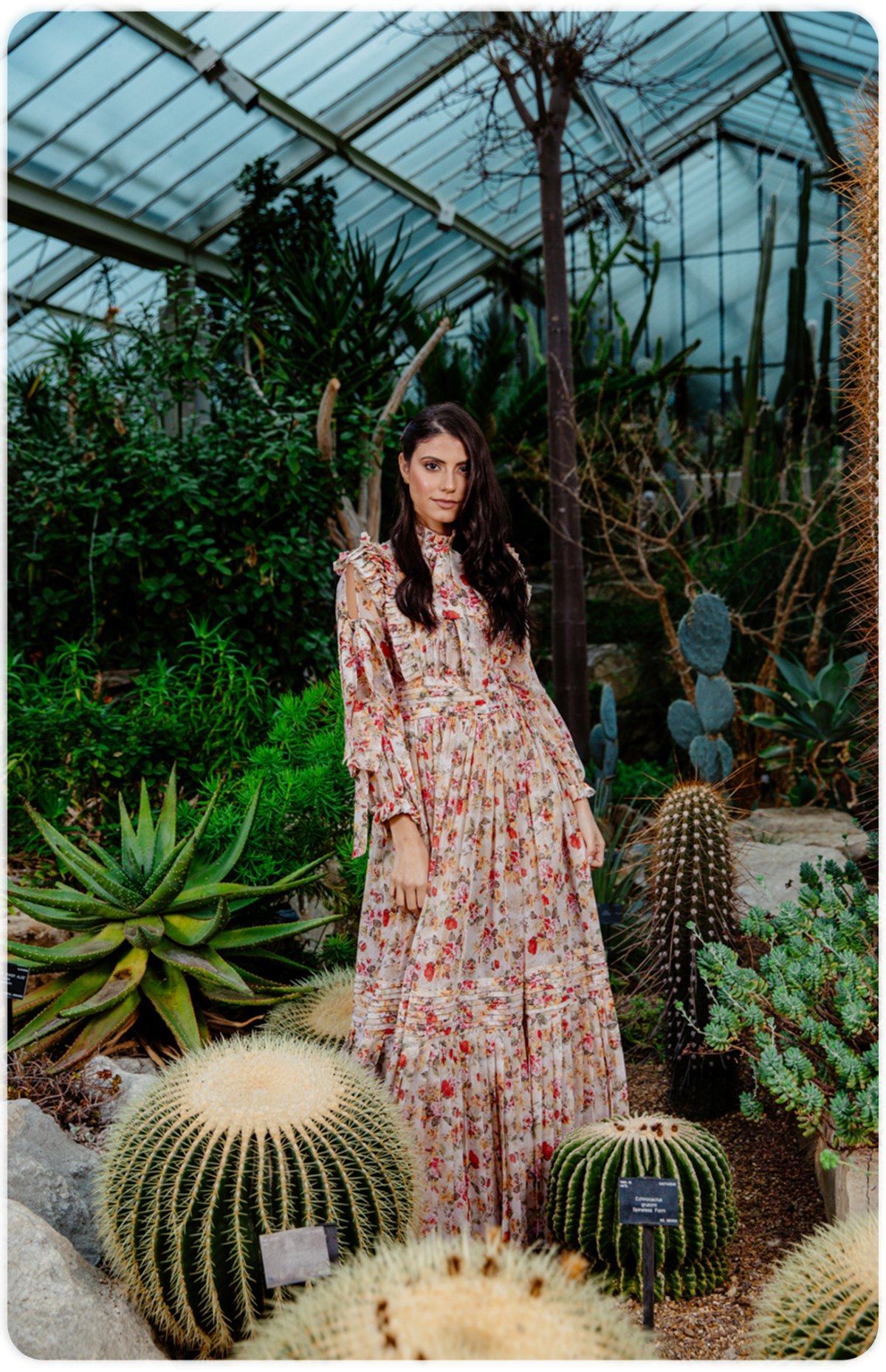
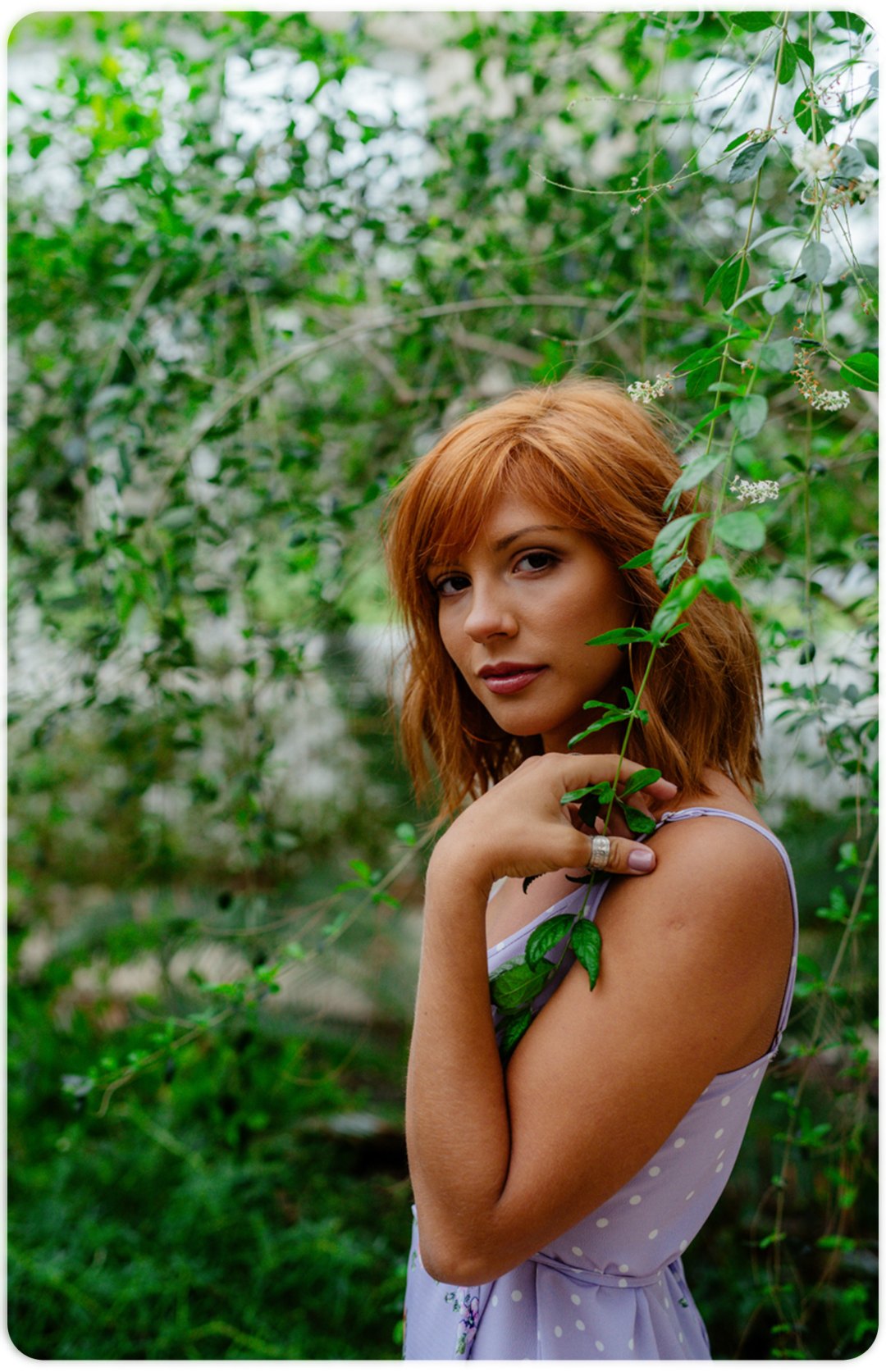
Creator content 303 captured for Herbal Essences' South American launch of 10 new products: creator-led, but shot and edited to the brand's standard. Read the case study.
The Platform Agility Advantage
There's a second dimension to the gap: where brands choose to compete.
TikTok and Instagram remain the main platforms for beauty, but feeds are saturated. Dash Social's 2026 beauty benchmarks show TikTok engagement softening from 3.6% to 2.8% and Instagram falling from 2.9% to 2.1%.
YouTube is moving the other way. The same report shows beauty brands' YouTube views up 128%, and Traackr found YouTube video views up 44% year on year while paid activity on the platform stays low. More attention, less competition: that's a window.
| Platform | Trend for beauty | What it means |
|---|---|---|
| TikTok | Engagement 3.6% → 2.8% | Still essential for discovery, but crowded. Native, creator-led formats only. |
| Engagement 2.9% → 2.1% | The home of the brand world and community, but organic reach needs better content, not more of it. | |
| YouTube | Views up 128% (Dash Social) | Under-competed. Room for search-led, educational content that keeps earning views. |
Why luxury brands are slow to shift
YouTube needs a different content model: longer, educational, built for search and discovery. It doesn't suit the 15-second campaign cut. Doing it well takes genuine expertise, a willingness to teach rather than just inspire, and a team that thinks like a publisher rather than an advertiser.
Indie brands, many founded by creators, already think in formats rather than campaigns. Luxury brands can get there, but it needs a rethink of what social content is for. Search-optimised videos on ingredients, routines and formulation philosophy build audiences that compound over time.
Spend Smarter, Not More
Indie brands aren't winning because they spend more. They post less, yet earn around three times the share and save rates. Shares and saves are among the highest-intent actions on social: they mean someone found the content useful enough to keep or pass on.
The logic carries over to paid. When organic content earns a genuine response before any spend goes behind it, the boosted version performs better, because the algorithm has already seen proof it resonates. Portfolio brands often do the opposite: content is produced to brief, approved through layers of stakeholders, then boosted regardless of how it performed organically.
| Portfolio habit | Indie habit |
|---|---|
| Boost on a pre-planned schedule | Boost what's already earning saves, shares and comments |
| One-off, high-reach creator deals | Retained creators who post repeatedly over months |
| Campaign assets adapted for social | Platform-native content made for each feed |
| Measure reach and impressions | Measure saves, shares, comments and repeat creator attention |
Our guide to high-converting beauty Instagram ads covers how to turn organic winners into paid creative.
What Luxury Brands Can Actually Do
The disadvantages are real, but they're not insurmountable. The brands closing the gap share a few habits.
1. Shift from campaign thinking to community thinking
Social isn't a distribution channel for campaign assets. It's where relationships are built over time through consistent, two-way interaction. That means accepting that some content won't look like a campaign: a founder or expert talking to camera, a formulation chemist explaining an ingredient, a community manager answering questions in the comments. That doesn't dilute brand equity. It's how brand equity is built on social now.
2. Rethink the creator roster
Rather than concentrating spend on a few big names, build a broader, retained network of mid-tier and niche creators with real product affinity. Rhode is the clearest example: Hailey Bieber drove 73% of the brand's attention in 2022 and 14% by 2024, as its US creator community grew more than 330% to over 8,000 creators. Less dependence on one voice, more consistent reach.
3. Treat YouTube as a long-term asset
Luxury brands have real expertise to share: heritage, formulation science, ingredient sourcing, sustainability. YouTube is the right format for that depth. A well-made ten-minute video on why a peptide complex works, presented by a credible expert, keeps earning views long after a 15-second ad has stopped. See 303's YouTube service.
4. Let organic performance guide paid decisions
Boost content that's already working, not content that was planned to be boosted. That means changing how content is approved and how paid budgets are allocated: from fixed boost schedules to performance-triggered amplification. It's more agile, and it puts spend behind proven creative.
5. Build creative systems, not one-off shoots
Indie-style volume doesn't have to mean lower standards. For Ancient + Brave, 303 built a modular production framework of interchangeable hooks, bodies and CTAs that delivered 40+ on-brand ad variations for testing. The same thinking works for organic: plan formats and pillars, then produce in batches.
Frequently Asked Questions
Why are indie beauty brands winning on social?
They treat social as a community rather than a broadcast channel, keep long-term creator relationships, make platform-native content, and put paid spend behind content that's already working.
Should luxury skincare brands use lo-fi content?
Some of it. Founder, expert and creator-led content builds connection, while polished brand content protects positioning. The mix matters more than the polish level.
Is YouTube worth it for luxury skincare?
Yes, especially for education: ingredients, routines and formulation. Views are growing and paid competition is low, so useful content can keep earning attention for a long time.
How many creators should a luxury skincare brand work with?
Fewer one-off names and more retained partners. Start with a core group who genuinely use the product, and grow from there based on what performs.
The luxury skincare brands that win back ground on social won't be the ones that hire more creators or post more often. They'll be the ones that accept the platforms and audiences have changed, and that the model that built their brand in print and retail won't build it on social. The playbook needs rewriting, and the brands that do it first will have the advantage.
303 helps premium beauty brands build organic social, creator programmes and content that hold the brand standard. Get in touch to talk about yours.