How to Brief a Beauty Creator So the Content Still Feels On-Brand
A practical framework for briefing beauty creators so content stays on-brand without feeling scripted. Covers brand context, choosing one message, visual direction, UK claims and disclosure rules, the review step, and the five sections every beauty creator brief needs.
Most beauty brands don't have a creator problem. They have a briefing problem.
The content comes back and it's fine. Technically fine. The product is featured, the disclosure is there, the lighting is decent. But it doesn't feel like your brand. It feels like the creator's last three sponsored posts with a different logo swapped in.
The instinct is to tighten the brief next time: more direction, more mandatory talking points, a script outline. That usually makes things worse. Over-briefed creators produce content that looks produced, and beauty audiences spot inauthenticity faster than almost any other category.
The real goal is direction without control: giving creators enough context to make genuinely good content, while keeping the output anchored to what your brand stands for. Here's how to get there.
The core tension: A brief that is too rigid strips out authenticity. A brief that is too vague produces content that could belong to anyone. The sweet spot is specific on outcomes, open on execution.
Start With Your Brand, Not the Campaign
Before you write a single deliverable into a brief, a creator needs to understand what your brand actually is. Not your tagline. Not your product claims. The texture of it: how it speaks, what it cares about, what it would never do.
This is the section most briefs skip, and it's the reason content comes back feeling generic.
What to include in your brand context section
- Tone of voice: Warm and educational, or dry and editorial? Playful or clinical? Give one or two reference points the creator can actually use. "Think Glossier's early Instagram, not a high-street ad" is more useful than "approachable but premium".
- Visual identity signals: Colour palette, packaging aesthetic and the kind of spaces the brand lives in. If your brand shoots in clean, minimal spaces, say so. If texture and warmth matter, show examples.
- What the brand would never say: Often more useful than what it would say. If you'd never use the phrase "anti-ageing", put that in writing. If hyperbole feels off-brand, name it.
- The customer: Describe the buyer in real terms, not demographic brackets. "A 34-year-old who reads ingredient lists and is sceptical of before-and-afters" tells a creator far more than "women aged 25 to 45".
Keep this section to one page. Its job is to give the creator a clear sense of the brand's personality before they pick up the product.
Define the One Message, Not a List of Features
The most common briefing mistake in beauty is asking creators to communicate too much. A brief that lists six product benefits, three campaign messages and two offers will produce content that communicates none of them clearly.
A good beauty brief has one primary message. One skin concern addressed. One product benefit shown. One reason to care.
This is harder than it sounds. When you're close to the product, everything feels important. But viewers decide in the first few seconds whether to keep watching, so if the message isn't immediately clear, it doesn't land.
How to choose your one message
Ask yourself: if the viewer remembered only one thing, what should it be? The answer usually maps to one of four proven beauty content frames:
| Content frame | Best for | Example message |
|---|---|---|
| Before and after | Skincare, haircare, makeup | "My skin tone looks more even after two weeks" |
| Routine integration | Skincare, wellness | "The one step I added that changed my whole routine" |
| Ingredient callout | Skincare, supplements | "Here's why this ingredient is in everything right now" |
| Unboxing or first impression | New launches, gifting | "I've been trying this for 48 hours and here's my honest take" |
Once you've chosen the frame, write the message in one sentence. If you can't, the brief isn't ready yet.
Tell Them What to Show, Not What to Say
There's a real difference between directing a creator and scripting one. The brief should do the first, never the second.
Scripted content is easy to spot. Beauty audiences know when someone is reading from a card, and the moment content feels like an ad, trust and performance drop together. What creators need from you is visual direction, not lines.
What to specify in your brief
Show, don't script. Instead of "say the formula absorbs in under 30 seconds", write "show the product going onto clean skin and how quickly it sinks in". The creator will find their own words, and they'll be far more credible than yours.
- Application technique: Fingertips, brush or tool? Layered or a single application?
- Texture and sensory moments: Serum consistency, pigment payoff, lather, a shade match on skin. Name the moments that sell the product visually.
- Packaging presence: Visible throughout, or just at the start and end? If the packaging is distinctive, say so.
- Environment: Bathroom, bedroom, outdoors or studio? Natural, warm or bright light? These signals shape the look without dictating the edit.
What to leave out: word counts, required phrases and instructions to say the brand name in the first three seconds. These constraints produce content that sounds like a brand ad rather than a recommendation.
See It in Practice: Herbal Essences
When Herbal Essences prepared to launch 10 new products in South America, it already had a network of influencers ready to post. What it wanted was more creative control without losing the creators' voice. 303 captured the influencer content alongside the creators and managed all pre- and post-production, so every piece felt native to the creator's channel while staying consistent with the brand across the whole launch.
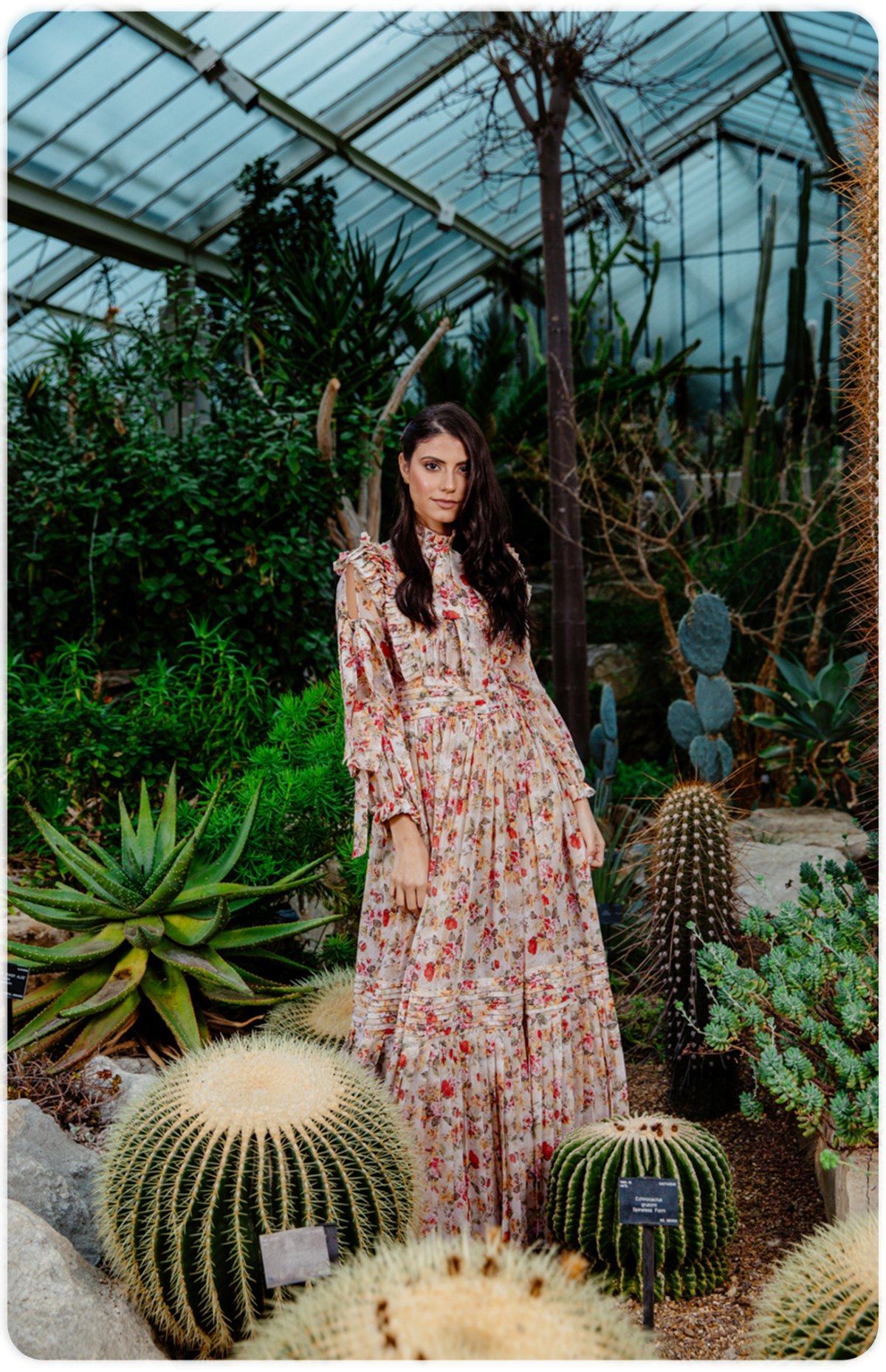
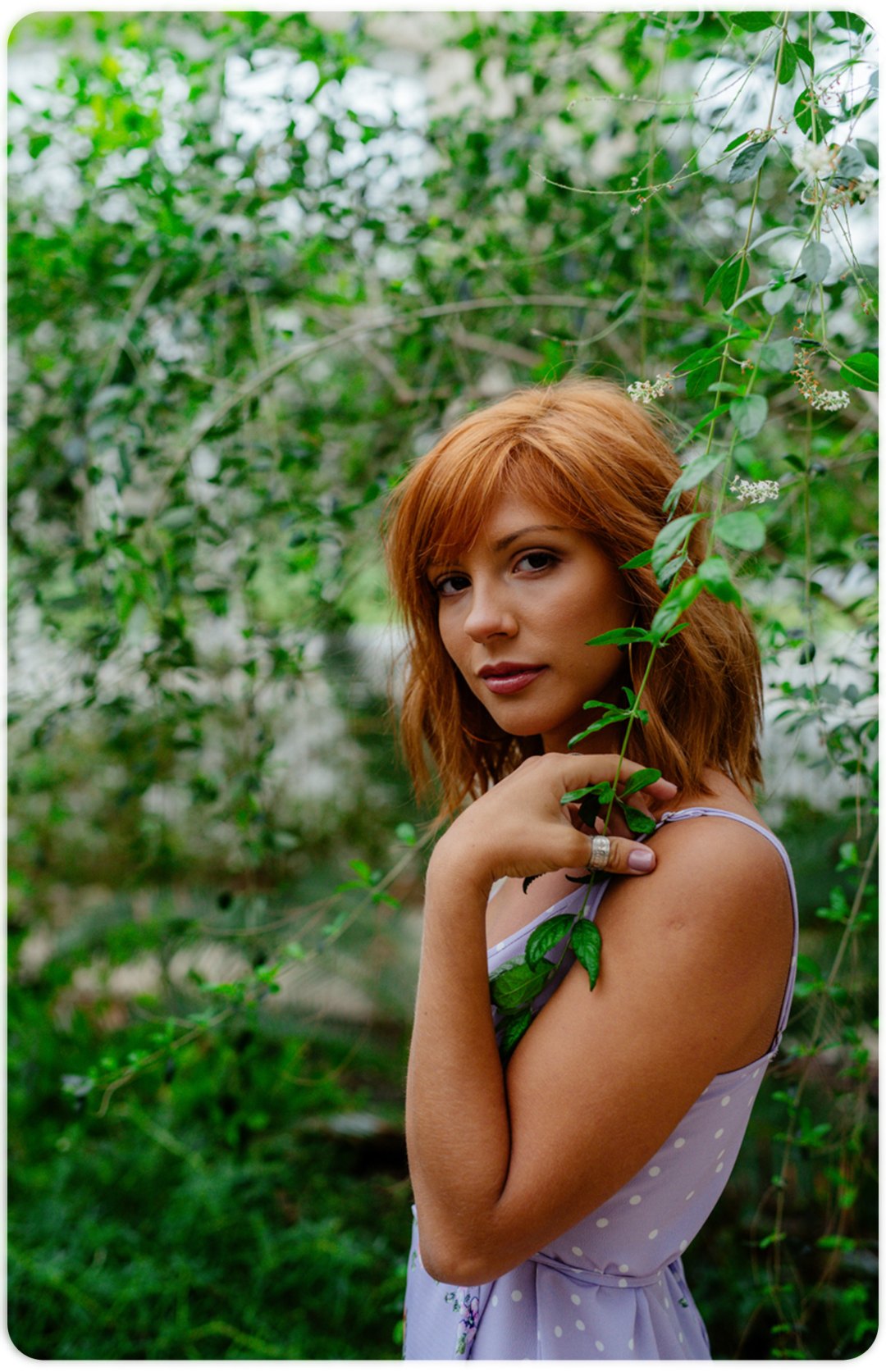
Creator content 303 captured and produced for the Herbal Essences South American launch.
It's a useful model for beauty brands with big launches: keep the creator's voice, but bring production and brand direction in-house so nothing comes back off-brand. Read the Herbal Essences case study.
Set Hard Rules, Not Soft Preferences
The brief should draw a clear line between what is non-negotiable and what is guidance. Blurring that line is where brands lose control of content without realising it until the post is live. Put non-negotiables in their own clearly labelled section. Everything else is direction.
The hard rules every beauty brief needs
Claims compliance is the most important hard rule in beauty, and the one brands most often leave vague. In the UK, cosmetic products may claim to cleanse, protect, perfume or improve the look and feel of skin and hair. Claims that a product treats, heals or prevents a condition are medicinal claims, which cosmetics cannot make, and the ASA regularly rules against influencer ads that cross that line.
Put this in the brief explicitly, with what creators can't say and approved alternatives:
| Do not say | Say instead |
|---|---|
| "Treats acne" | "Helps skin look clearer" |
| "Heals dry skin" | "My skin feels more hydrated" |
| "Reduces wrinkles" | "Skin looks smoother and more even" |
| "Cures sensitivity" | "My skin feels calmer after using this" |
Before-and-after rules should be explicit if you allow transformation content. Require consistent lighting between shots, no filters on skin results and realistic timelines. If the content will run as a paid Meta ad, check it against Meta's advertising standards on health and appearance, which restrict before-and-after imagery and content that implies negative self-perception.
Disclosure is non-negotiable. Every gifted or paid partnership must be clearly identifiable as advertising. The ASA and CMA guidance for influencers says the commercial relationship must be obvious before anyone engages with the content, so use a clear label such as "#ad" at the start of the caption, together with the platform's paid partnership tool. Labels buried among other hashtags don't count.
Write the exact disclosure wording into the brief. Don't leave it to interpretation.
Build in a Review Step Before It Goes Live
The brief is not the last line of defence. A pre-publication review is. Asking creators to share a draft before posting is standard practice and most professional creators expect it. A 24-hour review window works for most partnerships: the creator sends the draft, you confirm or request specific changes, they post.
This step exists to catch real problems before they reach an audience: misleading claims, missing disclosure, off-brand visuals or wrong product use. It is not a chance to rewrite the creator's words or change the aesthetic because it's not quite what you imagined.
What to flag in review, and what to leave alone
| Flag for revision | Leave alone |
|---|---|
| Medicinal or unsubstantiated efficacy claims | The creator's phrasing and vocabulary |
| Missing or poorly placed disclosure | Edit style, pacing and music |
| Wrong product use shown on camera | Their honest opinion, including mild caveats |
| Visuals that clearly clash with the brand | Anything that's "not how we'd do it" but isn't wrong |
The second column is where brands over-reach. "It's not my favourite texture, but the results are genuinely good" is more credible than "I absolutely love everything about this product". Editing out authentic reactions is the fastest way to make content perform like an ad.
Also ask for raw files alongside the posted version, and agree usage rights up front. Original footage and full-resolution assets let you reuse the best content in paid social, email and your own channels without going back for a reshoot.
What a Complete Beauty Creator Brief Looks Like
Put together, a brief that reliably produces on-brand creator content has five sections, each with one job.
| Section | What it covers | What it leaves out |
|---|---|---|
| Brand context | Tone, visual identity, customer description, what the brand would never say | Taglines, mission statements, brand history |
| Campaign objective | One primary message, content frame, target platform | Secondary messages and "nice to haves" |
| Visual direction | Application technique, texture moments, environment, lighting | Scripted lines, required phrases, word counts |
| Hard rules | Approved and banned claims, disclosure wording, before-and-after rules | Vague preferences dressed up as rules |
| Deliverables and process | Format, length, posting date, review window, raw files, usage rights | Anything open to interpretation |
A brief that covers these five sections and nothing more will consistently beat a ten-page document that tries to anticipate every creative decision.
Frequently Asked Questions
How long should a beauty creator brief be?
Two to three pages is usually enough: one page of brand context, then the message, visual direction, hard rules and deliverables. If it runs much longer, it's probably scripting the creator.
Should I send creators a script?
No. Give them one clear message and the visual moments to capture, then let them say it in their own words. Scripted content is easy for beauty audiences to spot and usually performs worse.
What claims can beauty creators make in the UK?
Creators can talk about how a product looks, feels and smells, and how their skin or hair looks and feels after using it. They shouldn't say a product treats, heals or cures a condition, as those are medicinal claims cosmetics can't make.
How should creators disclose a paid or gifted post?
The ad must be obviously identifiable before someone engages with it. A clear label such as "#ad" at the start of the caption, plus the platform's paid partnership tool, is the safest approach.
Final Thoughts
The brands that get the best creator content are not the ones with the tightest briefs. They're the ones who choose creators carefully, brief them clearly on outcomes, and then get out of the way. The brief is the foundation. The creator's relationship with their audience is what makes it work.
If you'd like help finding, briefing or producing content with creators for your beauty brand, 303 runs influencer marketing and content creation for premium brands. Get in touch to talk about your next launch.