Social Media Strategies for Premium Drinks Brands in the UK
Premium drinks brands operate under very different rules on social media than mass-market brands. Between strict UK advertising regulations, the rise of sober-curious consumers, and the need to maintain premium perception, the typical “post more, reach more” strategy simply doesn’t work. This guide explores how premium drinks brands should approach social media differently — from selling a brand world rather than the product itself, to choosing the right platforms, working with credible influencers, and producing content that reinforces premium positioning rather than undermining it.
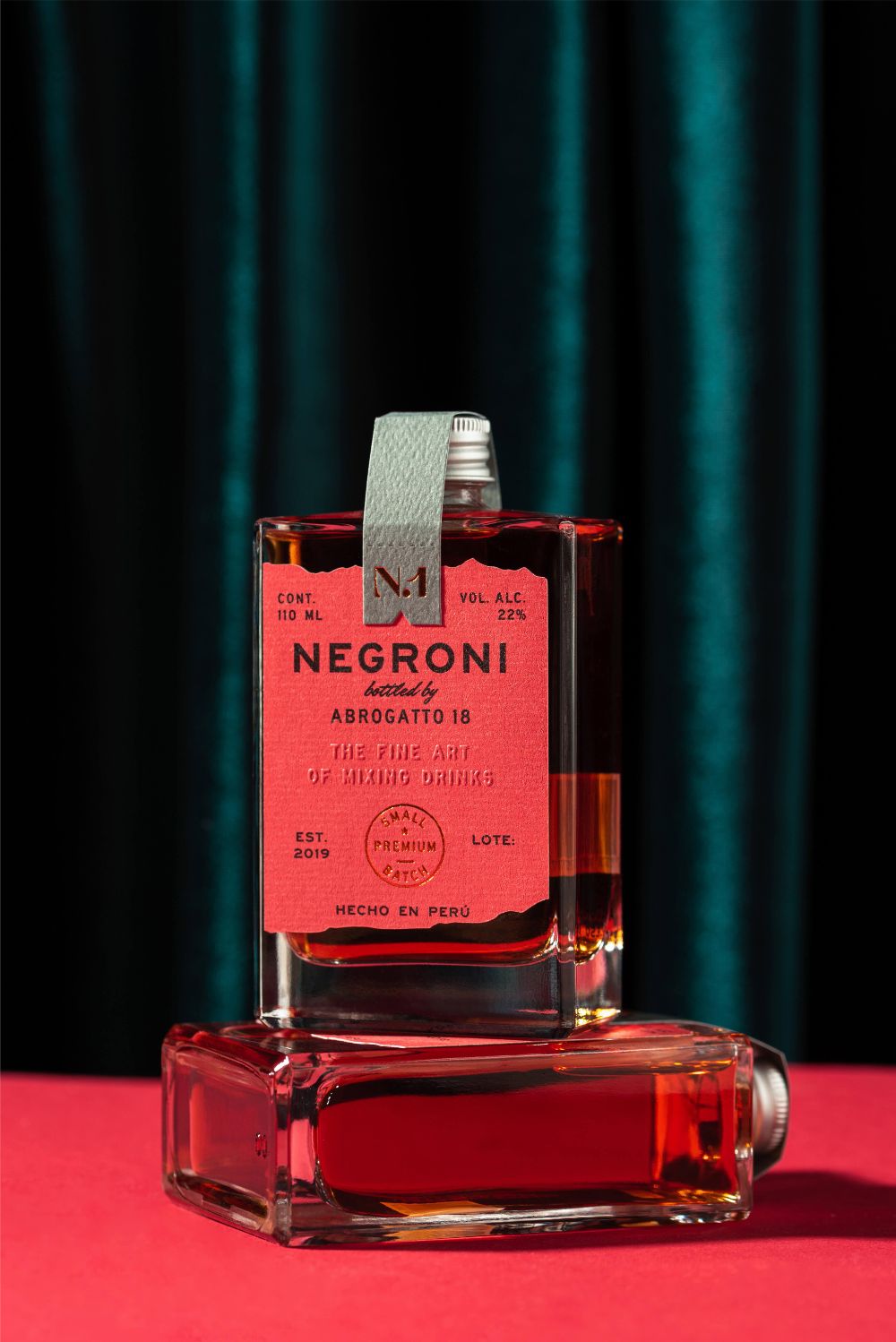
Premium drinks brands face a social media challenge that most generic marketing guides simply ignore: the rules are different, the audience is harder to impress, and the stakes for getting the tone wrong are much higher.
Post something that feels cheap, off-brand, or irresponsible, and you don't just lose a follower. You erode the very thing that justifies your price point. Premium is a perception, and social media is where that perception is built or broken in real time.
The UK market adds another layer of complexity. Between the ASA's CAP Code Section 18 governing alcohol advertising, a sober-curious consumer base that is growing faster than most brands anticipated, and an increasingly crowded craft and premium tier, the playbook that works for a mass-market brand will actively damage a premium one.
The core challenge: most social media advice is written for brands that compete on volume. Premium drinks brands compete on meaning. The strategies below are built around that distinction.
Here is what the best UK premium drinks brands are doing differently on social in 2026, and why it matters.
Sell the World, Not the Liquid
The single biggest mistake premium drinks brands make on social is leading with the product. A photograph of a bottle against a white background, a tasting note in the caption, maybe a cocktail recipe. It is not wrong exactly, but it is not premium either. It is catalogue content.
The brands that genuinely command premium positioning on social sell a world. The Macallan does not post whisky. It posts craft, time, and mastery. Hendrick's does not post gin. It posts peculiarity and wit. The liquid is almost incidental to the story being told around it.
This matters practically because of what the ASA's CAP Code prohibits. Under Section 18, alcohol advertising cannot imply the drink enhances confidence, attractiveness, or social success. It cannot link alcohol to seduction, bravado, or irresponsible behaviour. For mass-market brands, these restrictions feel constraining. For premium brands, they are actually an invitation: if you cannot sell the buzz, sell the craft.
Build Content Pillars Around Identity, Not Product
A useful framework is to think in three pillars:
- Craft and provenance — the people, places, and processes behind the product. Distillery stories, harvest seasons, master blender profiles, ingredient sourcing. This content is inherently premium and impossible for supermarket own-brands to replicate.
- Culture and lifestyle — the world your brand inhabits. For a premium gin, that might be the London cocktail bar scene, the independent off-trade, or the home entertaining aesthetic. The product lives within this world rather than being the subject of it.
- Occasion and ritual — not "drink this", but "here is the moment this belongs to". A Sunday afternoon. A dinner party. A gift. Occasion-based content sidesteps ASA restrictions while building emotional associations far more powerful than any product shot.
The ratio matters. For most premium drinks brands, the split should run roughly 60% craft and culture, 30% occasion, and no more than 10% direct product content. Brands that invert this ratio tend to look like they are running a promotion rather than building
Navigate the Sober-Curious Shift Without Losing Your Identity
The numbers here are significant enough to demand a strategic response. The UK's no and low alcohol (nolo) market reached £380 million in 2024 and is forecast by Mintel to hit £800 million by 2028. Dry January participation more than doubled from 4.2 million people in 2019 to 8.5 million in 2024. Around one third of UK adults aged 18 to 24 do not drink at all.
For a premium alcoholic drinks brand, this is not a reason to panic. It is a reason to rethink your content strategy.
The mistake most brands make: ignoring the sober-curious audience entirely, or worse, treating Dry January as an enemy. VK's 2025 Instagram post telling dry January participants "one won't hurt" was ruled a breach of the CAP Code by the ASA — not just for regulatory reasons, but because it fundamentally misread the cultural moment. The post was widely criticised, and the brand paid a reputational price alongside the regulatory one.
The smarter approach is to lean into the values that drive the sober-curious movement: quality, intentionality, and mindful consumption. These are the same values that justify a premium price point. They are not in conflict.
What This Looks Like in Practice
- Approach: Dry January content — What to avoid: Undermining sobriety or ignoring it — What works instead: Celebrating intentional drinking; if you have a nolo variant, lead with it
- Approach: Wellness-adjacent content — What to avoid: Claiming health benefits (ASA prohibits this) — What works instead: Positioning around quality ingredients, craftsmanship, and considered choices
- Approach: Gen Z targeting — What to avoid: Anything that implies social pressure to drink — What works instead: Community, culture, and flavour-first content
- Approach: Influencer briefs — What to avoid: "Make it look fun to drink a lot" — What works instead: Lifestyle integration where the drink is one element of a considered scene
Brands that have nolo variants have an additional opportunity: they can participate in the sober-curious conversation directly, reaching an audience that would otherwise be entirely outside their social reach. Waitrose reported a 32% increase in low and no alcohol sales in 2025. That audience is on social media, and they are looking for brands that speak their language.
Choose Platforms Based on Where Premium Lives, Not Where Everyone Else Is
Platform strategy for premium drinks is not the same as platform strategy for consumer packaged goods. The instinct to be everywhere is wrong. Being on the wrong platform in the wrong way actively cheapens a brand.
Here is a practical breakdown of where premium drinks brands should focus, and why:
Instagram: Still the Primary Channel, but Executional Standards Have Risen
Instagram remains the most important platform for premium drinks in the UK. But the bar for what looks premium has risen considerably. Flat lays and product photography are table stakes. What performs now is a combination of high-production short-form video (Reels), editorial-quality stills, and a grid aesthetic that communicates brand world at a glance.
What works: Behind-the-scenes production content, serve suggestions that feel like editorial rather than instruction, collaborations with chefs or bartenders that carry their own audience credibility.
What to avoid: Overly promotional captions, discount messaging of any kind (it directly undermines premium positioning), and UGC that has not been carefully curated for visual consistency.
TikTok: High Reward, High Risk
TikTok is where the sober-curious movement lives. It is also where 35% of Gen Z first encounters alcohol-free drinks, according to data from Impossibrew. For premium brands with a nolo range, TikTok is a significant opportunity.
For traditional premium alcoholic brands, TikTok requires more care. The platform's audience skews younger, and the ASA's 25% under-18 rule applies. Brands need to ensure age-gating is in place for paid content, and organic content should avoid anything that could be interpreted as appealing primarily to a younger audience.
The premium brands winning on TikTok are those that have found a format authentic to the platform — founder stories, process content, cocktail craft — rather than repurposing Instagram content.
LinkedIn: Underused and Undervalued for Trade Positioning
Most drinks brands ignore LinkedIn entirely. This is a missed opportunity, particularly for brands selling into the on-trade (restaurants, hotels, bars). Decision-makers in hospitality are active on LinkedIn, and a brand that publishes thoughtful content about the drinks industry, trends, and craft can build significant trade credibility at minimal cost.
This is not about posting product shots on LinkedIn. It is about positioning the brand as a knowledgeable voice in the category.
Where to Focus
- Platform: Instagram — Priority: Primary — Best content type: Editorial Reels, stills, Stories — Key risk: Inconsistent aesthetic
- Platform: TikTok — Priority: Secondary (essential for nolo) — Best content type: Founder/process content, trends — Key risk: Regulatory compliance
- Platform: LinkedIn — Priority: Supplementary — Best content type: Trade insight, brand story — Key risk: Treating it like Instagram
- Platform: Facebook — Priority: Low (older demographic) — Best content type: Events, community — Key risk: Weak age verification (ASA concern)
- Platform: Pinterest — Priority: Niche (gifting, recipes) — Best content type: Serve suggestions, occasions — Key risk: Low engagement ceiling
Influencer Strategy: Credibility Over Reach
Influencer marketing for premium drinks is one of the most misunderstood areas of the category. The default assumption — that bigger audiences mean better results — is precisely backwards for a premium brand.
A post from a 2-million-follower lifestyle influencer who covers everything from skincare to fast food to gin does not signal premium. It signals that your brand bought reach. The audience knows it, and it devalues the product in the same way a supermarket end-of-aisle placement does.
The right framework is credibility over reach. For premium drinks, the most valuable influencers are:
- Specialist drinks creators — sommeliers, bartenders, and whisky reviewers with smaller but highly engaged audiences who treat the category seriously. A recommendation from a respected drinks journalist or bar professional carries genuine weight.
- Lifestyle creators with authentic category affinity — someone who actually drinks premium gin, covers food and entertaining, and whose aesthetic is consistent with your brand world. The partnership feels natural rather than transactional.
- Micro-influencers in relevant communities — the cocktail community, the food and hospitality scene, the wellness space for nolo brands. Engagement rates for micro-influencers (10,000 to 100,000 followers) consistently outperform macro accounts in the drinks category.
What the ASA Expects from Influencer Partnerships
This is where many brands get caught out. The ASA's CAP Code applies to influencer content that a brand has paid for or has a commercial relationship with, including gifting. Key requirements:
- Content must be clearly labelled as advertising (using #ad or equivalent)
- The influencer must not appear to be under 25
- Content must not imply that alcohol enhances confidence, attractiveness, or social success
- Age-restricted targeting must be applied to paid promotion
The ASA has been increasingly active in this space. Three major drinks brands were reprimanded in a single month in 2025 for CAP Code breaches on social media. A clear influencer brief that includes compliance guidance is not optional — it is standard practice.
Visual Production: Where Premium Is Won or Lost
On social media, premium is a visual language before it is anything else. A consumer scrolling Instagram makes a brand judgement in under a second. That judgement is based entirely on what they see, not what they read.
This means production quality is not a nice-to-have for premium drinks brands. It is the strategy. The brands that consistently maintain premium positioning on social are those that treat every piece of content as a reflection of the product quality they are asking consumers to pay for.
The Production Standards That Signal Premium
The gap between a premium-looking feed and a generic one usually comes down to a handful of consistent decisions:
- Lighting and colour grading — premium drinks content tends toward rich, considered colour palettes rather than bright, saturated tones. Warm amber for whisky and cognac. Cool, clean tones for gin and vodka. The colour language should match the product's sensory world.
- Composition and negative space — premium brands use space deliberately. Overcrowded, busy compositions signal low-end. Restraint signals confidence.
- Consistency across formats — a brand that looks polished on a still but chaotic in a Reel has a production problem. Short-form video now accounts for the majority of organic reach on Instagram and TikTok, which means video production quality is as important as photography.
- Text and typography — caption fonts, on-screen text, and graphic overlays should align with the brand's visual identity. Generic Instagram fonts immediately undermine a premium aesthetic.
The practical implication is that premium drinks brands need a dedicated creative production process, not a reactive one. Brands that brief content the week before they need it consistently produce work that looks reactive. The brands that plan 6 to 8 weeks ahead, with proper creative direction and production time, are the ones whose feeds look considered.
"The drinks industry is in need more than ever for interactivity and product storytelling within the digital media space, to drive a real-life experience to the end user in their natural browsing environment." — Dan Langton
Community and Engagement: The Difference Between an Audience and a Following
There is a distinction that matters enormously for premium brands: an audience watches you. A following belongs to you. The brands that build genuine communities on social are the ones that survive algorithm changes, platform shifts, and market downturns, because their relationship with their consumers is not mediated entirely by a platform's reach decisions.
Building community in the premium drinks space looks different from building community in most other categories. It is quieter, more curated, and less dependent on viral moments.
Practical Community-Building Tactics That Work
Host-owned experiences that move to social. Masterclasses, distillery tours, tasting events, and trade collaborations generate content that cannot be replicated by a brand with no physical presence or heritage. The event is the content brief. Attendees become organic advocates. The footage becomes months of social material.
Respond with the brand voice, not a template. Premium brands that respond to comments and DMs in a voice that is recognisably theirs, rather than with generic customer service language, build disproportionate loyalty. The response is itself a brand signal.
Encourage and curate UGC selectively. User-generated content can be powerful for premium brands, but it needs to be handled carefully. Not all UGC is on-brand, and reposting low-quality content signals that the brand does not have high standards. The approach that works is to actively solicit UGC through specific prompts (serve occasions, gifting moments, travel contexts) and then curate what gets reshared with the same editorial eye applied to owned content.
Partner with the on-trade. Bars, restaurants, and independent retailers that stock your product are natural community nodes. A collaboration with a respected London cocktail bar, shared across both social presences, reaches a highly qualified audience and carries third-party credibility that owned content cannot manufacture.
The underlying principle is that community for a premium brand is built through consistent quality and genuine engagement, not through contests, giveaways, or follow-for-follow mechanics. Those tactics attract the wrong audience and signal the wrong positioning.
The Metrics That Actually Matter for Premium Brands
Most social media reporting focuses on reach and follower growth because those numbers are easy to track and easy to present. For premium drinks brands, they are largely the wrong metrics.
A premium brand with 40,000 highly engaged followers who regularly purchase, gift, and advocate for the product is worth more than a brand with 400,000 followers who followed for a competition and never engaged again. Volume metrics can actively mislead brand strategy by suggesting growth when the underlying audience quality is declining.
The metrics that matter for premium drinks brands are:
- Engagement rate by follower — not raw engagement numbers, but the percentage of your audience that actively responds to content. A rate above 3% on Instagram is strong for a premium brand; above 5% is exceptional.
- Save rate on Instagram — saves indicate that content is genuinely useful or desirable. Cocktail recipes, serve suggestions, and editorial content that people want to return to. Saves are a stronger signal of content quality than likes.
- Story completion rate — for brands investing in multi-frame Stories, the drop-off rate between frames reveals whether the content is compelling enough to hold attention.
- Sentiment in comments and DMs — qualitative analysis of what people are actually saying. Premium brands should be generating comments that reflect the brand values: appreciation for craft, curiosity about provenance, desire to purchase or gift.
- Referral traffic from social to DTC — for brands with a direct-to-consumer channel, the conversion path from social content to purchase is the most direct measure of commercial impact.
Follower count and reach remain relevant as context, but they should not be the headline metric in any premium brand's social reporting. The question is not how many people saw the content. The question is whether the people who saw it now think more highly of the brand.
Putting It Together
The thread running through every strategy above is the same: premium positioning on social is not about doing more, it is about doing less, better, and with more intentionality than the brands around you.
The UK drinks market is more competitive and more regulated than most. The sober-curious shift is real and accelerating. The ASA is watching. And the consumers who buy premium products are sophisticated enough to recognise when a brand is performing premium versus actually being it.
The brands that win on social in this environment are those that treat their content strategy with the same seriousness they apply to their product. That means proper creative direction, compliance-aware briefing, platform-specific execution, and a clear understanding of what success actually looks like beyond follower counts.
Getting this right requires expertise across creative production, social strategy, and the specific regulatory landscape of UK alcohol advertising. If you are building or refining your approach and want to talk through what this looks like in practice, 303 works with premium brands across exactly this territory.