Organic Social

Instagram Strategy for Luxury Hotels in London: A Framework That Drives Demand Without Diluting Prestige

A practical Instagram framework for London luxury hotels, from content mix to Reels, Stories, UGC and booking nudges, without losing prestige.

303 London
May 20, 2026

If you manage Instagram for a London luxury hotel, you already know the tension: post too often, too casually, or too commercially, and you chip away at the prestige that makes the property worth staying at. Post too infrequently or too safely, and you hand the discovery layer to OTAs who charge 15-25% commission for the privilege.

The good news is that this is a solvable problem. The hotels getting it right in 2025 and 2026 are not the ones with the biggest budgets; they are the ones with the clearest frameworks. Peninsula Hotels grew their earned media value by 342% in Q1 2025 through disciplined influencer partnerships. Airelles Collection achieved a 1,300% mega-influencer visibility boost in the same period. These are not accidents. They are the result of a deliberate Instagram strategy built around prestige-first principles.

This guide gives you that framework: a practical, section-by-section playbook you can apply to your hotel's Instagram account today.

Who this is for: In-house marketing managers at London luxury hotels who are responsible for organic social and need a sharper, more strategic approach to content, format, and conversion.

Why Instagram Still Matters More Than Any Other Platform for Luxury Hotels

Before getting into the framework, it is worth establishing why Instagram deserves your attention above other channels.

Over 70% of travellers use Instagram to seek travel inspiration, and 61% have booked a hotel after seeing it on the platform. With 3 billion monthly active users and 46% of all time spent on Reels, Instagram is not a nice-to-have for luxury hospitality; it is the primary discovery layer for the affluent travellers you are trying to reach.

The platform also skews heavily towards your highest-value demographic. 80% of US adults aged 18-29 use Instagram, and Millennial and Gen Z travellers now represent the fastest-growing segment of luxury hotel guests. This cohort does not respond to traditional luxury signifiers in the same way as previous generations. They are looking for emotional resonance, personalised experiences, and authentic storytelling, all of which Instagram is built to deliver.

The competitive context in London makes this even more urgent. The city's luxury hotel market is one of the most competitive in the world, with properties from The Connaught to Claridge's to newer entrants all competing for the same high-intent traveller. A weak Instagram presence does not just mean fewer followers; it means ceding the discovery phase to competitors who are getting this right.

The Real Risk of Getting This Wrong

The most common mistake London luxury hotel marketing teams make on Instagram is treating it like a broadcast channel: beautiful images, minimal engagement, no clear content logic. The result is a feed that looks expensive but does nothing for demand.

The second most common mistake is the opposite: chasing engagement with content that feels off-brand. Trending audio, casual behind-the-scenes content, or overly promotional posts can generate likes but erode the sense of exclusivity that justifies a £600-per-night room rate.

The framework below is designed to avoid both failure modes.

The 60/30/10 Content Mix: Your Starting Point

The most effective luxury hotel Instagram strategies we have seen follow a consistent content ratio. It is not a rigid rule, but it is a useful starting structure for any marketing manager trying to balance aspiration, authenticity, and conversion.

  • Content Type: Aspirational / Spark content — Proportion: 60% — Purpose: Build desire, grow reach, establish visual identity
  • Content Type: Behind-the-scenes / Foster content — Proportion: 30% — Purpose: Build trust, show craft, humanise the brand
  • Content Type: Booking nudges / Move content — Proportion: 10% — Purpose: Drive direct enquiries and reservations

60%: Spark Content

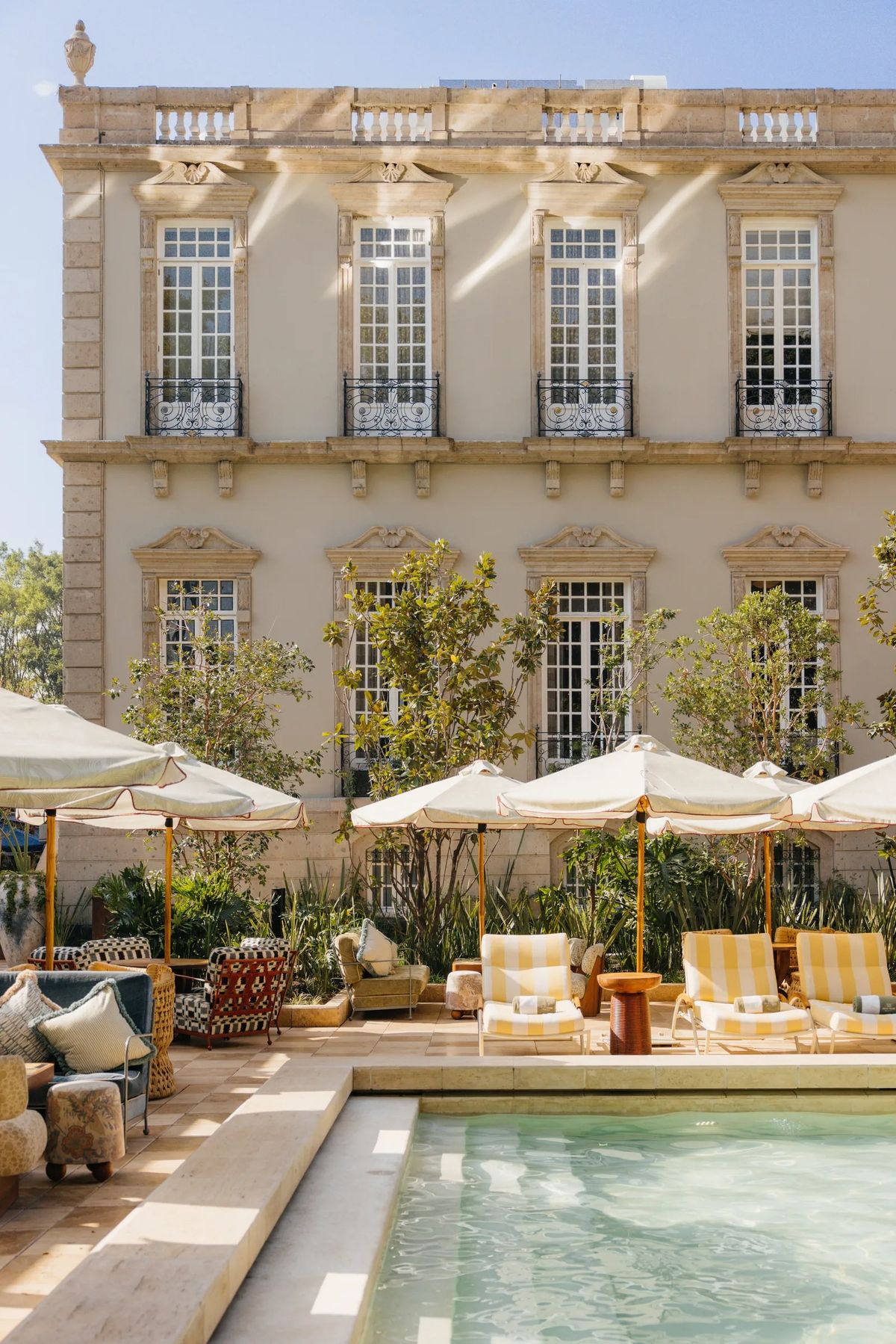
This is your primary feed content. Cinematic suite shots, seasonal F&B imagery, rooftop views at golden hour, or a perfectly composed flat lay of the afternoon tea service. The goal is to make someone stop scrolling and feel something.

The key word here is cinematic. Luxury hotel content should look like it belongs in a travel magazine, not a brand's marketing deck. Natural light, considered composition, and minimal text overlays. If your creative production is not hitting this standard consistently, that is the first thing to fix before worrying about posting frequency.

30%: Foster Content

This is where most luxury hotels underinvest. Behind-the-scenes content, when done correctly, does not dilute prestige; it deepens it. A 30-second Reel of your head chef sourcing produce at Borough Market, a Story series showing the floristry team setting up for a private event, or a short interview with your head concierge about their favourite hidden London experiences: these all reinforce the idea that your hotel is staffed by exceptional people who care deeply about craft.

The distinction that matters: behind-the-scenes content should reveal excellence, not informality. There is a difference between showing the care that goes into a guest's experience and making the hotel feel like a casual workplace.

10%: Move Content

This is your conversion layer: seasonal packages, limited availability nudges, exclusive offers for direct bookings, or a clear link-in-bio call to action. Keep this to 10% of your output. More than that and the feed starts to feel transactional. Less than that and you are leaving direct bookings on the table.

A useful format here is the limited-time Story with a swipe-up link to a specific landing page, rather than a feed post that ages poorly. Instagram Stories are particularly effective for time-sensitive offers because they disappear after 24 hours, which creates urgency without cluttering your permanent grid.

How to Use Reels Without Feeling Like a Lifestyle Brand

Reels are now the dominant discovery format on Instagram. They account for 46% of all time spent on the platform, and 4.5 billion Reels are shared every single day. If your hotel is not producing Reels consistently, you are invisible to a significant portion of your potential audience.

The challenge for luxury hotels is that the Reels format has cultural associations that can feel at odds with prestige positioning: trending audio, fast cuts, text overlays, and a general sense of informality. None of that is mandatory. The format is just short-form video; what you put into it is entirely your choice.

What Luxury Reels Look Like in Practice

The hotels producing the best Reels in 2025 and 2026 share a few common characteristics:

  • Cinematic quality is non-negotiable. Even a 15-second Reel should look like it was shot properly. Handheld phone footage can work if it is intentional and well-lit; shaky, underexposed clips never work regardless of the content.
  • Audio is carefully chosen. Ambient sound from the hotel (the clink of a cocktail being prepared, the quiet of a suite in the morning) often outperforms trending audio for luxury brands. When music is used, it should reinforce the brand's tone, not chase the algorithm.
  • The narrative is clear within the first two seconds. Reels are watched at speed. If the hook is not immediately compelling, the viewer moves on. Start with the most visually arresting moment, not a slow pan.
  • Text overlays are minimal. If you need a text overlay, use one line, placed cleanly, in a font that matches your brand identity.

A strong Reel format for luxury hotels is the "experience reveal": start with an exterior or ambient shot of the hotel, move through a guest journey (arrival, suite, F&B, spa), and end on a single, clean CTA frame. Under 30 seconds. No voiceover. Atmospheric audio. This format works because it mirrors the emotional arc of a real guest experience.

For a deeper look at how to build a Reels content calendar that maintains brand standards, our guide to Instagram Reels for luxury brands covers the production workflow we use with hotel clients.

Influencer Partnerships: The Evidence Is Overwhelming, But the Selection Criteria Matter

The data on influencer partnerships for luxury hotels is striking. Peninsula Hotels generated $98,000 in net earned media value in Q1 2025 alone, a 4.4x increase on the same period in 2024.

Waldorf Astoria saw a 72% increase in mega-influencer EMV over the same timeframe. These are not vanity metrics; earned media value translates directly into brand visibility among high-intent audiences who are actively planning travel.

But the selection criteria matter enormously. The wrong influencer partnership does not just fail to deliver ROI; it actively damages brand perception.

How to Evaluate Influencer Fit for a Luxury Hotel

Use this checklist before committing to any partnership:

  • Aesthetic alignment first. Look at the last 30 posts on their feed. Does the visual quality match your hotel's standard? Would their content look at home on your own grid? If not, move on regardless of their follower count.
  • Audience demographics over raw numbers. A travel creator with 80,000 highly engaged followers in the 28-45 affluent demographic is worth more to a London luxury hotel than a lifestyle influencer with 500,000 followers who skew under-25 and price-sensitive.
  • Long-term relationships over one-off posts. The brands seeing the biggest EMV growth are those building sustained partnerships, not transactional one-post deals. A creator who stays at your hotel three times a year and genuinely integrates it into their content narrative is far more valuable than a single sponsored post.
  • London-based or London-frequent creators. For a London hotel specifically, creators who are already embedded in the city's luxury lifestyle scene carry more credibility than international travel influencers who treat the city as a one-off stop.

A note on exclusivity: For ultra-luxury properties, exclusivity is part of the product. Be selective about which influencers you host and how frequently. If your hotel appears on every influencer's feed, it stops feeling exclusive. Scarcity, applied thoughtfully, is a brand asset.

88% of consumers say influencer recommendations affect their purchasing decisions, according to Lefty's 2025 report. The question is not whether to invest in influencer partnerships; it is how to structure them so they reinforce rather than dilute your positioning. For more on how we approach luxury social media strategy with hotel clients, including influencer vetting frameworks, that page goes into more detail.

UGC: How to Encourage It Without Losing Editorial Control

User-generated content is one of the most powerful trust signals available to a luxury hotel, and one of the most mishandled. The challenge is that UGC, by definition, is not produced to your brand standards. A guest's iPhone photo of their suite, however enthusiastic, may not belong on your curated feed.

The solution is not to discourage UGC; it is to create the conditions for high-quality UGC and to use it selectively and strategically.

Creating the Conditions for Shareable Moments

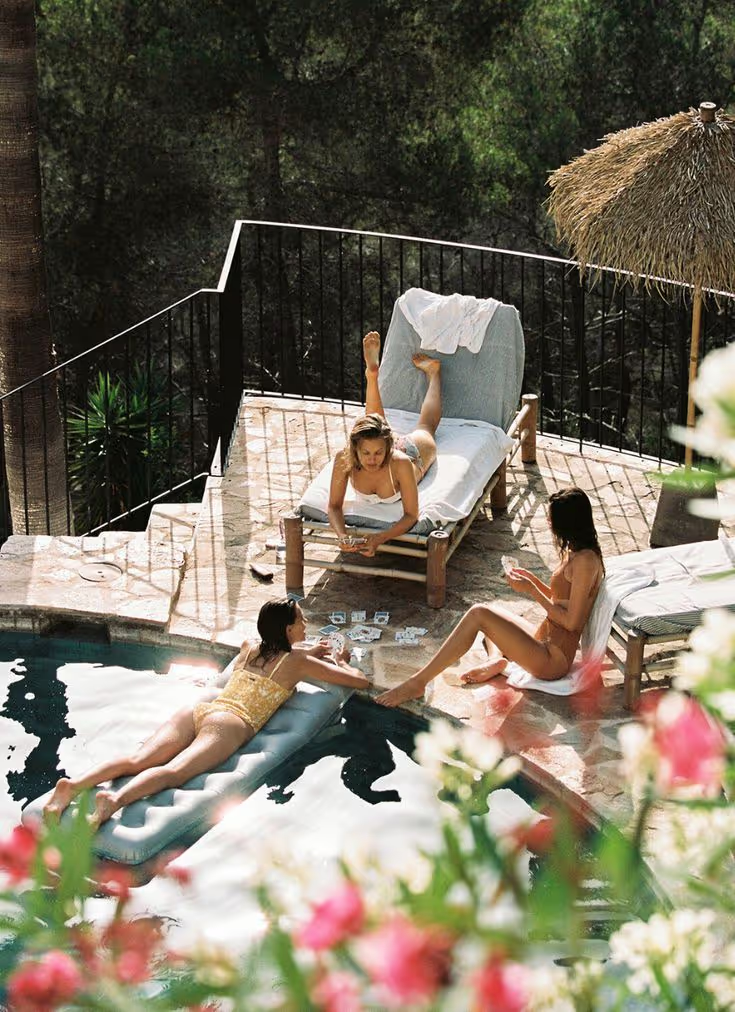
The best luxury hotels engineer their physical spaces and guest experiences to be inherently Instagram-worthy. This is not about installing a neon sign in the lobby; it is about ensuring that the moments guests naturally want to capture are visually compelling when photographed.

Practical examples:

  • Arrival moments: A beautifully presented welcome amenity, a personalised note, or a room set up with a specific seasonal detail gives guests something worth photographing before they have even unpacked.
  • F&B presentation: Afternoon tea, cocktail service, and tasting menus that are composed with as much attention to visual presentation as to taste generate organic content at every service.
  • Architectural moments: London's luxury hotels often have extraordinary interiors. Ensure that the most photographable spaces are consistently well-lit and styled, not just for professional shoots.

Using UGC Without Compromising the Feed

When a guest produces genuinely high-quality content, it can be more powerful than anything your in-house team produces, because it is inherently authentic. The key is curation:

  • Only reshare UGC that meets your visual standard. A blurry, poorly lit shot is not worth sharing regardless of the sentiment behind it.
  • Always credit the creator and, where possible, ask for explicit permission before reposting.
  • Use Stories rather than the main feed for UGC that is good but not feed-quality. Stories are the right home for authentic, less polished content.
  • Consider a branded hashtag that makes it easy to find and monitor guest content.

For a more detailed breakdown of how to build a UGC strategy for luxury brands that maintains editorial standards, that guide covers the approval and curation workflow we recommend.

What to Actually Measure: Metrics That Matter for Luxury Hotels

Vanity metrics are a particular trap for luxury hotel Instagram accounts. A post that gets 2,000 likes but drives zero enquiries is not a success; it is a missed opportunity. The metrics that matter are the ones that connect Instagram activity to commercial outcomes.

The Metrics Worth Tracking

  • Metric: Discovery reach — What It Tells You: How many new, non-follower accounts your content is reaching — Benchmark: Growing month-on-month is the goal
  • Metric: Engagement rate — What It Tells You: Quality of audience connection — Benchmark: 2.8% average for organic posts (Hootsuite, 2026)
  • Metric: Profile visits from posts — What It Tells You: How many viewers are moving from content to your profile — Benchmark: Higher = stronger creative hook
  • Metric: Link-in-bio clicks — What It Tells You: Traffic moving from Instagram to your website or booking page — Benchmark: Track weekly, correlate with content type
  • Metric: Story swipe-up rate — What It Tells You: Conversion from Stories to landing pages — Benchmark: Varies by offer; 1-3% is a reasonable baseline
  • Metric: Booking attribution — What It Tells You: Direct reservations with Instagram as the last touch — Benchmark: Requires UTM tracking on all link-in-bio URLs

The Attribution Problem (and How to Solve It)

The biggest challenge in measuring Instagram ROI for luxury hotels is attribution. A guest might discover your hotel on Instagram, visit your website three times over six weeks, and then book directly. Instagram gets no credit in a last-click model, even though it initiated the relationship.

The practical fix is to use UTM parameters on every link you place in your bio or Stories, and to set up a dedicated landing page for Instagram traffic that is separate from your main booking flow. This allows you to track Instagram-sourced sessions, time on site, and eventual conversion, even if the booking happens days or weeks later.

The metric most teams ignore: saved posts. When someone saves a post of your hotel, they are signalling strong intent. They are not ready to book now, but they want to come back to this. Saved rate is one of the clearest signals of genuine purchase consideration available on Instagram, and it costs nothing to track.

For a broader view of how organic social performance connects to commercial outcomes, including how we build attribution models for hotel clients, that page covers the methodology in detail.

Putting It Together: A Weekly Instagram Rhythm for Luxury Hotels

Strategy without a cadence is just theory. Here is a practical weekly posting rhythm that applies the 60/30/10 framework without overwhelming a lean in-house marketing team.

A Suggested Weekly Structure

  • Monday: Feed post (Spark content) - aspirational suite, F&B, or architectural shot. Strong visual, minimal caption, location tag.
  • Wednesday: Reel (Foster content) - behind-the-scenes of a hotel experience, staff craft moment, or seasonal preparation. 15-30 seconds, atmospheric audio.
  • Thursday: Stories (Mix of Foster and Move) - two to three Stories showing a guest experience, followed by one Story with a direct booking link or seasonal offer.
  • Saturday: Feed post (Spark content) - weekend-appropriate aspirational content. Leisure, spa, or dining focused.

That is four touchpoints per week: two feed posts, one Reel, and a Stories sequence. For most in-house teams managing other responsibilities, this is a sustainable rhythm that maintains a consistent presence without requiring daily content production.

On posting frequency: more is not better for luxury hotels. A feed that posts daily with inconsistent quality does more damage than a feed that posts three times a week with exceptional content. Frequency should be determined by the quality of content available, not by an arbitrary posting schedule.

The London-Specific Angle

London gives your hotel a significant content advantage that many properties in other markets do not have: the city itself is a constant source of seasonal, cultural, and experiential content. Fashion Week, Wimbledon, the Chelsea Flower Show, the festive season in Mayfair: all of these are content opportunities that reinforce the hotel's positioning as a gateway to London's luxury lifestyle, not just a place to sleep.

Build a content calendar around London's cultural calendar, not just your hotel's operational calendar. The hotels that do this well make their Instagram feel like a curated guide to the best of London, with the hotel at the centre of the experience.

If you want support building this kind of Instagram content strategy for your property, including a full content calendar and production workflow, we work with a number of London luxury hotel brands on exactly this.

The Bottom Line

The tension between driving demand and protecting prestige on Instagram is real, but it is manageable with the right framework. The 60/30/10 content mix gives you a structure. Reels give you reach. Influencer partnerships, done selectively, give you credibility with new audiences. UGC, curated carefully, gives you authenticity. And the right metrics tell you whether any of it is actually working.

The hotels that get this right are not spending more; they are spending more deliberately. They have a clear point of view on what their Instagram account is for, and every piece of content they publish serves that purpose.

If you want to sharpen your hotel's Instagram strategy and connect it more directly to bookings,book a strategy call with the 303 team. We work with luxury and premium brands across London on creative content, organic social, and performance marketing, and we can tell you within the first conversation whether there are quick wins available in your current approach.

Subscribe to the 303 Journal

Share
303london.webflow.io/blog/instagram-strategy-for-luxury-hotels-in-london-a-framework-that-drives-demand-without-diluting-prestige