Instagram Ads Strategy for Luxury Lifestyle Brands: How to Drive Performance Without Diluting Prestige
Instagram has become the primary discovery engine for luxury consumers. According to eMarketer, 62.4% of affluent consumers use Instagram to discover products, and nearly 130 million users tap on shoppable posts every month. The platform is not optional for luxury lifestyle brands — it is where purchasing decisions begin.
But running paid ads in the luxury space is a different game from standard performance marketing. The conventional playbook — aggressive retargeting, discount-led creative, broad reach — actively damages luxury brands. Every misplaced ad is a brand equity event. Show your product to the wrong person, in the wrong context, with the wrong creative, and you have not just wasted budget. You have cheapened something that took years to build.
The real challenge is not whether to advertise on Instagram. It is how to do it without looking like you need to.
This guide cuts through the generic advice and gets into the actual mechanics: how to structure your Meta Ads funnel for luxury, which targeting signals matter, which creative formats perform, and how to measure results in a way that reflects brand value, not just clicks.
Why Standard Performance Marketing Breaks Luxury Brands
Most Instagram ads advice is written for e-commerce brands selling £40 trainers. The mechanics — maximise reach, test broad audiences, retarget everyone who visited a product page, optimise for lowest CPM — are built around volume and margin assumptions that simply do not apply to luxury.
Luxury brands operate on fundamentally different economics. The purchase cycle is longer, the consideration phase is more emotionally driven, and the buyer is acutely sensitive to how a brand presents itself. A poorly targeted ad that reaches someone outside your customer profile does not just fail to convert — it signals to everyone who sees it that the brand is available to anyone. Scarcity and selectivity are part of the product.
The luxury paradox: Instagram advertising requires you to be visible and discoverable while simultaneously communicating that you are not for everyone. Solving this tension is the entire strategic challenge.
There are three specific ways standard performance marketing tactics actively harm luxury brands on Instagram:
- Broad audience targeting — reaching users based on generic interest categories (e.g. "fashion", "travel") exposes your brand to audiences who cannot afford your product, diluting perceived exclusivity
- Frequency-heavy retargeting — bombarding warm audiences with repeated ad impressions creates the impression of desperation, the opposite of what luxury signals
- Discount and urgency creative — "limited time offer" or "20% off" language is brand poison for premium positioning, even when it generates short-term conversions
The solution is not to avoid paid advertising. It is to build a paid strategy that mirrors how luxury brands behave in every other channel: selective, deliberate, and visually impeccable.
Targeting: Precision Over Volume
The most important targeting decision a luxury brand makes is not which interests to include. It is which audiences to explicitly exclude.
Meta's targeting infrastructure gives luxury advertisers tools that most brands underuse. The goal is not to reach the most people — it is to reach the right people with near-surgical accuracy.
Audience Signals That Actually Work for Luxury
Generic interest targeting ("luxury goods", "high-end fashion") is too broad and too easily gamed. The audiences that convert for luxury brands on Instagram tend to be built from first-party data and behavioural signals, not Meta's pre-packaged interest categories.
- Audience Type: Customer list lookalikes — Why It Works for Luxury: Built from your actual buyers, not assumed demographics
- Audience Type: Website visitors (high-intent pages only) — Why It Works for Luxury: People who viewed pricing, collections, or contact pages
- Audience Type: Instagram engagers (saves and DM initiators) — Why It Works for Luxury: Signals genuine interest, not passive scroll
- Audience Type: Video viewers (75%+ completion) — Why It Works for Luxury: Indicates sustained attention, not accidental impression
- Audience Type: Broad + exclusion stacking — Why It Works for Luxury: Wide reach minus audiences that have signalled low intent
The Exclusion Stack
This is the tactic most luxury brands miss entirely. In Meta Ads Manager, exclusions are as strategically valuable as inclusions. A well-structured exclusion list for a luxury brand should typically include:
- Recent converters (do not retarget buyers immediately; it undermines scarcity)
- Audiences who engaged with promotional or discount content from other brands
- Geographic exclusions where brand presence is not yet established
Income Targeting and Its Limits
Meta offers household income targeting in the US, but this is not available in the UK. British luxury brands need to rely on proxy signals: postcode-level targeting (using Meta's location radius tools around high-net-worth postcodes), device targeting (iOS users on premium devices skew higher income), and lookalike audiences built from CRM data.
The bottom line on targeting: luxury brands should be spending more on audience quality and less on audience size. A tightly defined audience of 200,000 qualified prospects will almost always outperform a broad audience of 2 million loosely relevant users.
Creative Strategy: When the Ad Has to Feel Like Editorial
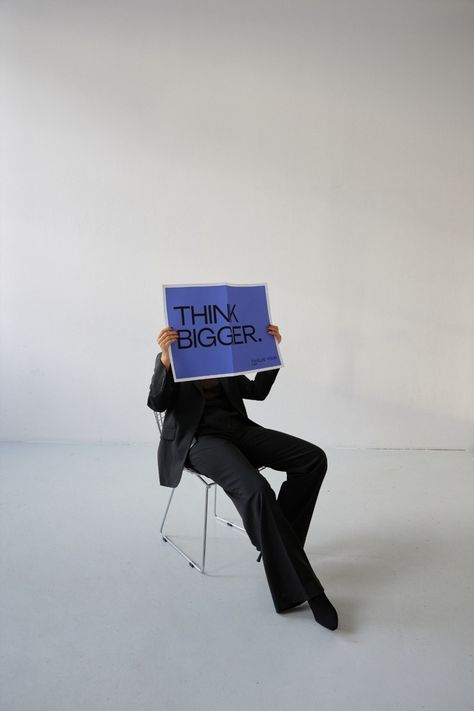
The single most important creative rule for luxury Instagram ads is this: the ad should not feel like an ad.
That is not a platitude. It is a structural requirement. Luxury consumers engage with Instagram content at rates three times higher than average users — but that engagement is built on an expectation of quality. The moment a luxury brand's paid creative looks like a direct-response ad (bold text overlays, product-first framing, call-to-action buttons that feel transactional), it breaks the aesthetic contract the brand has built with its audience.
Format Performance by Funnel Stage
Not all creative formats serve the same purpose. Luxury brands need to think in terms of funnel stage, not just what looks best.
Top of funnel (awareness):
- Cinematic Reels (15-30 seconds) — treat these as short films, not product demos. The product appears within a lifestyle context, not as the subject of the shot.
- Single-image ads with editorial-grade photography — no text overlays, no price callouts. The visual does the work.
Mid-funnel (consideration):
- Carousel ads — highly effective for showcasing craftsmanship, materials, and the details that justify a luxury price point. Each slide should add information without repeating it.
- Stories with soft CTAs — "Discover" or "Explore" outperforms "Shop Now" for luxury audiences at this stage. The language of discovery is more aligned with the psychology of luxury purchase.
Bottom of funnel (conversion):
- Collection ads — allow users to browse a curated product set without leaving Instagram, which reduces friction for high-consideration purchases
- Retargeting with social proof — at this stage, editorial quotes, press mentions, or testimonials from recognisable figures carry more weight than product close-ups
The Creative Brief for Luxury Ads
The brief that produces strong luxury ad creative is fundamentally different from a standard performance brief. It should define:
- The world the brand inhabits (not the product being sold)
- The emotion the viewer should feel (aspiration, calm, desire, belonging)
- What the ad must never show or say (discounts, urgency, comparisons)
- The single action the viewer should take, expressed in aspirational language
What most brands get wrong: they brief the creative team on the product and expect the agency to add the luxury feel. The brief should start with the feeling and work backwards to the product.
Funnel Structure: The Luxury Customer Journey on Meta
Luxury purchases rarely happen in a single session. The consideration window for a high-value purchase can span weeks or months, with multiple touchpoints across organic and paid content before any conversion event. A luxury Instagram ads strategy needs to reflect this reality in how campaigns are structured.
The Three-Phase Funnel
Phase 1: Brand Immersion (Awareness) The goal at this stage is not clicks. It is cultural positioning. Ads here should feel indistinguishable from organic editorial content. Optimise for video views and reach rather than link clicks. The metric that matters is how many qualified people are being introduced to the brand's world.
Budget allocation: approximately 40-50% of total spend at this stage for brands still building awareness in their category.
Phase 2: Desire Building (Consideration) Once a user has engaged with brand content — watched a video, saved a post, visited the website — they enter a warm audience pool. This is where carousel and collection ads earn their budget. The goal is to deepen desire, not close a sale. Content at this stage should answer the question the buyer is implicitly asking: "Why does this brand deserve my attention?"
Budget allocation: 30-35% of total spend.
Phase 3: Conversion (Decision) This is the narrowest and most valuable audience: people who have engaged repeatedly, visited product pages, or interacted with the brand across multiple sessions. Retargeting here should be light-touch and frequency-capped. Two to three impressions per week maximum. The creative should feel personal and exclusive, not like a reminder.
Budget allocation: 20-25% of total spend.
Frequency Caps Are Non-Negotiable
For luxury brands, ad frequency is a brand safety issue. An ad seen seven times in a week signals volume, not value. A hard frequency cap of three impressions per week per user across all campaign phases is a sensible baseline. This requires manual oversight in Meta Ads Manager — the platform's default optimisation will push frequency higher if left unchecked.
Key principle: luxury brands should be willing to reach fewer people more selectively, rather than more people more repeatedly. Scarcity applies to ad impressions as much as it applies to product inventory.
Measurement: What Luxury Brands Should Actually Track
Standard performance marketing metrics — cost per click, click-through rate, return on ad spend — tell an incomplete story for luxury brands. A campaign that generates a 0.5% CTR but introduces 50,000 qualified high-net-worth individuals to your brand has created enormous value that does not show up in a Meta dashboard.
This does not mean luxury brands should ignore performance data. It means they need to measure the right things at each funnel stage.
Metrics by Funnel Stage
- Stage: Awareness — Primary Metrics: Qualified reach, video completion rate (75%+), CPM among target audience — Vanity Metrics to Deprioritise: Total impressions, overall reach
- Stage: Consideration — Primary Metrics: Saves, DM initiations, website sessions from Instagram, time on site — Vanity Metrics to Deprioritise: Likes, comments, link click volume
- Stage: Conversion — Primary Metrics: Revenue per customer, customer lifetime value, assisted conversions — Vanity Metrics to Deprioritise: Last-click ROAS, cost per purchase in isolation
The Assisted Conversion Problem
Meta's default attribution model credits the last ad click before a purchase. For luxury brands with long consideration cycles, this systematically undervalues awareness and consideration-stage campaigns. A customer who saw a brand Reel in January, saved a product post in February, and converted in March will credit the March retargeting ad — not the January brand content that started the journey.
The fix is to use Meta's data-driven attribution model alongside a 28-day click and 7-day view attribution window, and to run periodic brand lift studies to measure the impact of upper-funnel spend on downstream revenue.
Qualitative Signals That Matter
For luxury brands, some of the most meaningful performance signals are not in the ads dashboard at all:
- Inbound DM quality — are people enquiring via Instagram DMs? What is the tone and sophistication of those enquiries?
- Press and editorial mentions — is paid activity driving organic press interest?
- Customer acquisition profile — are new customers from Instagram matching the profile of your best existing customers?
The metric that ties it together: customer lifetime value. A luxury brand that acquires fewer customers at a higher average order value, with strong repeat purchase behaviour, is outperforming a brand that drives volume at lower margins — even if the latter looks better in a Meta campaign report.
Building a Paid Strategy That Protects the Brand
The brands that get Instagram advertising right in the luxury space treat paid media as an extension of their brand identity, not a separate performance channel. Every campaign decision — targeting, creative, frequency, measurement — should pass a single test: does this reinforce or undermine what makes the brand desirable?
Over 80% of luxury purchases are influenced by online interactions before the final sale, even when that sale happens in a boutique or showroom. Instagram ads are not just a digital revenue channel. They are part of the pre-purchase experience that shapes how a customer feels when they eventually make contact with the brand in person.
This means the stakes are higher than a standard paid media campaign — but so is the opportunity. Luxury brands that invest in Instagram advertising with the discipline and craft that the channel demands will not just drive conversions. They will build the kind of brand equity that compounds over time, making every subsequent campaign more efficient and every customer acquisition more valuable.
The practical starting point for any luxury brand reviewing their Instagram ads strategy:
- Audit your current creative against the editorial standard — would this appear in a premium lifestyle publication?
- Review your audience structure — are you relying on Meta's interest categories, or are you building from first-party data?
- Check your frequency settings — are you frequency-capping at the campaign level, or letting Meta optimise for delivery?
- Revisit your attribution model — are you measuring the full customer journey, or just last-click conversions?
- Define your qualitative success signals — what does a high-quality Instagram-acquired customer look like, and are you tracking them?
Instagram advertising for luxury brands is not harder than standard performance marketing. It is different. The brands that treat it as such will consistently outperform those trying to apply a mass-market playbook to a premium audience.