How to Grow a Luxury Hotel's Instagram Following Without Diluting the Brand
Most luxury hotel Instagram accounts have a problem they don't realise they have. They post beautiful photography, rack up a few thousand followers, and then quietly wonder why engagement is soft, reach is plateauing, and the audience doesn't seem to convert into guests.

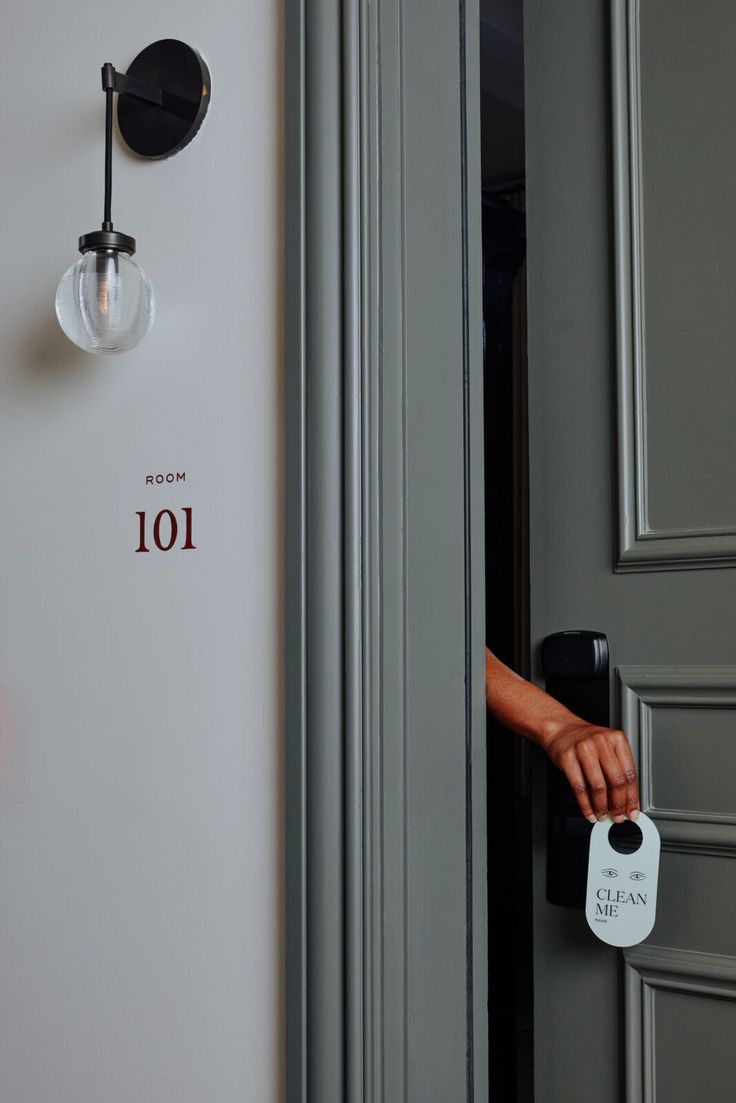
The issue isn't the photography. It's the strategy underneath it. Somewhere between "we need to grow" and "let's post more content," the account started chasing volume, and the brand started to look like every other hotel on the platform.
Growing a luxury hotel's Instagram following is genuinely possible without compromising the brand. But it requires a different frame entirely: less social media manager, more editorial director.
The core tension: Instagram's native growth mechanics (broad hashtags, high post frequency, trend-chasing, giveaways) are built for mass-market reach. Luxury positioning is built on scarcity, selectivity, and aspiration. The two are fundamentally in conflict, and most hotel accounts try to serve both. The result is a feed that looks premium but behaves like a budget property.
What follows is the playbook for resolving that tension.
Stop Optimising for Followers, Start Optimising for the Right Followers
The first thing to accept is that follower count is a vanity metric for luxury brands. A hotel with 12,000 highly engaged followers who match the profile of an actual guest is worth more than one with 80,000 followers accumulated through giveaways, follow-for-follow tactics, and broad hashtag fishing.
This isn't just a philosophical position. It has direct commercial consequences. Instagram's algorithm distributes content based on engagement signals. An account with a large, disengaged audience will see its reach suppressed, meaning even high-quality posts don't reach the people who matter. An account with a smaller, highly engaged audience gets more organic reach per post, more saves, more shares to private DMs, and more profile visits from people who are genuinely considering a stay.
Define your ideal follower before you post anything
Luxury hotel marketing works best when the brand has a clear picture of who it's speaking to. On Instagram, that means asking:
- What does the ideal guest's life look like beyond travel?
- What other accounts do they follow (design, food, fashion, culture)?
- What kind of content do they save rather than just like?
- Are they booking for leisure, milestone occasions, or corporate retreats?
The answers to these questions should directly inform content decisions: what to shoot, how to caption it, which accounts to engage with, and which collaborators to pursue. Rosewood Hotels, for example, built its Instagram presence around a "Sense of Place" philosophy that speaks to culturally curious, design-literate travellers, not just anyone who wants a nice hotel. Every content decision filters through that lens.
The practical implication: a smaller, intentional audience is a competitive advantage. Protect it.
Build an Editorial Identity, Not a Content Calendar
Most hotel Instagram accounts are run like a content calendar: fill the week, hit the frequency target, mix in some Reels. The problem is that a content calendar has no point of view. It produces output. Luxury brands need a publication.
Think about how the best luxury print titles operate. A magazine like Condé Nast Traveller doesn't publish every type of travel story. It has a voice, a visual language, a consistent reader in mind. Every piece of content is a deliberate editorial choice. That's the model luxury hotels should borrow.
The three pillars of a luxury hotel editorial identity
- Pillar:Visual language — What it means: A consistent colour palette, lighting style, and compositional approach that makes every post recognisably yours — What it looks like on Instagram: Seasonal grid shifts, not arbitrary filters
- Pillar:Content pillars — What it means: 3-4 recurring themes that reflect the brand's values, not just its amenities — What it looks like on Instagram: Place, craft, ritual, people, provenance
- Pillar:Tone of voice — What it means: The character behind the captions, from word choice to caption length — What it looks like on Instagram: Understated, specific, never promotional
Kara Pearson, Social Media Manager at Rosewood Miramar Beach, describes deliberately shifting the hotel's grid from static commercial photography to a seasonal colour flow that reflects the surrounding destination. The result isn't just more beautiful: it's more coherent, and coherence is what builds a following that feels genuinely invested in the brand.
What to avoid
The fastest way to look mass-market is to do what mass-market brands do:
- Generic "golden hour" shots with no compositional intention
- Captions that describe the image rather than add to it ("Our stunning infinity pool...")
- Hashtag stacks of 20+ tags including #travel, #luxury, #hotel
- Reposting guest content without curation or context
- Trend-chasing audio on Reels that has no relationship to the brand's character
None of these tactics are inherently wrong for a budget hotel. For a luxury property, each one is a small erosion of the brand signal.
Use Influencers Selectively, Not Systematically
Influencer marketing is one of the most misused tools in luxury hotel social strategy. Done well, it introduces the property to a highly qualified audience through a trusted voice. Done badly, it turns the hotel into a backdrop for someone else's personal brand and signals to followers that the hotel is accessible to anyone with 50,000 followers and a good camera.
The distinction that matters isn't follower count. It's alignment.
What "alignment" actually means in practice
A luxury hotel should be asking three questions about any potential influencer partner:
- Does their audience overlap with our guest profile? Not just demographics, but values, aesthetic sensibility, and spending behaviour.
- Does their content style complement our visual identity? A collaborator whose feed looks like a different property is a brand dilution risk.
- Can they tell a story about the experience, not just photograph it? The most effective luxury hotel influencer content communicates something specific about what it feels like to be a guest, not just what the hotel looks like.
Aman Resorts, which targets ultra-high-net-worth individuals, famously takes a near-invisible approach to social: sparse posting, no people in most shots, no influencer partnerships that feel transactional. The mystique is the strategy. Not every luxury hotel needs to go that far, but the principle holds: the brand's exclusivity is the asset, and every partnership decision either protects or erodes it.
The micro-influencer case for luxury
Counter-intuitively, smaller accounts often deliver better results for luxury properties. A travel creator with 15,000 highly engaged followers in the right demographic can drive more genuine interest, direct messages, and profile visits than a 500,000-follower lifestyle account whose audience is broadly aspirational but financially out of reach of the property's rates.
The metric to watch isn't reach. It's the quality of the conversation the content generates in the comments.
Grow Through Depth, Not Frequency
One of the most common pieces of Instagram advice is to post consistently, and for most brands, that's correct. For luxury hotels, the calculus is different. Posting every day to fill a schedule produces content that isn't worth posting. And content that isn't worth posting trains your audience to scroll past you.
The right cadence for a luxury hotel Instagram account is the one that produces nothing but strong work. For most properties, that's somewhere between four and six posts per week across feed and Stories, with Reels published when there's genuinely compelling footage, not because the algorithm favours them this month.
Where the real growth happens
The accounts that grow sustainably in the luxury travel space share a common characteristic: they create content that earns saves and shares, not just likes. Saves and shares are the highest-value engagement signals on Instagram because they indicate that someone found the content genuinely useful or aspirationally resonant.
Content that earns saves in the luxury hotel space includes:
- Destination-specific editorial content that gives followers a reason to return to the post (a guide to the surrounding area, a curated itinerary, a behind-the-scenes look at the kitchen or spa)
- Craft and provenance stories that reveal something specific about the property's materials, suppliers, or design decisions
- Seasonal content that creates a sense of timing and urgency without discounting
What doesn't earn saves: generic beauty shots, promotional announcements, and anything that feels like it was produced to fill a slot in a content calendar.
The Six Senses model
Six Senses has built a substantial Instagram following by leading with sustainability, provenance, and guest participation in environmental initiatives. The content is specific, values-driven, and gives followers something to engage with beyond the visual. It attracts a particular kind of traveller (high-net-worth, values-conscious, repeat-booker) and filters out everyone else. That's not a side effect of the strategy. It's the point.
The growth lever most hotels ignore: active, genuine engagement with the accounts your ideal guest follows. Not automated comments, not follow-for-follow, but considered responses to content in adjacent spaces (design, food, culture, wellness) that position the hotel as part of a broader world its guests inhabit.
The Metrics That Actually Matter for Luxury Hotel Instagram
Most hotel marketing teams report on follower growth and post reach because those are the numbers that are easy to pull. They're also the numbers least likely to tell you whether your Instagram strategy is working for the brand.
For a luxury hotel, the metrics worth tracking are:
- Metric:Save rate — Why it matters: Indicates content that earns return visits and genuine aspiration — What to look for: Above 2% of reach is strong for luxury travel content
- Metric:Profile visits from posts — Why it matters: Shows content is driving intent to learn more — What to look for: Rising trend over 90 days signals growing brand interest
- Metric:Story replies — Why it matters: Qualitative signal of audience investment — What to look for: The nature of replies reveals whether the right people are watching
- Metric:DM enquiries — Why it matters: The most direct link between social and commercial intent — What to look for: Track source (post, Story, Reel) to understand what converts
- Metric:Follower quality — Why it matters: Proportion of followers who match the guest profile — What to look for: Audit manually every quarter; remove bot accounts
Follower growth matters, but only in context. Growing by 500 followers in a month means something very different if those followers came from a targeted collaboration with a design-focused travel creator versus a giveaway that required follows to enter.
The honest measure of a luxury hotel Instagram account isn't how many people follow it. It's how many of
The Longer Game
Growing a luxury hotel's Instagram following on brand terms is slower than the conventional approach. It requires saying no to tactics that would add followers quickly but dilute the audience quality. It requires investing in photography and creative direction that most properties underbudget for. And it requires treating Instagram less like a distribution channel and more like a brand asset.
The payoff is an account that does what luxury hospitality is supposed to do: create genuine desire in the people most likely to act on it.
The brands that have built the most durable Instagram presences in the luxury travel space, from Aman to Rosewood to Six Senses, share a common thread: they decided early on who they were for, and they never compromised that decision for a follower count. That clarity is the strategy. Everything else is execution.