How Huel's Marketing Strategies Captivated Health Enthusiasts
Huel grew from a garage start-up in 2015 to a reported €1bn Danone acquisition in 2026 through direct-to-consumer marketing, the Hueligans community, nutrition education, credible ambassadors and referrals.
.avif)
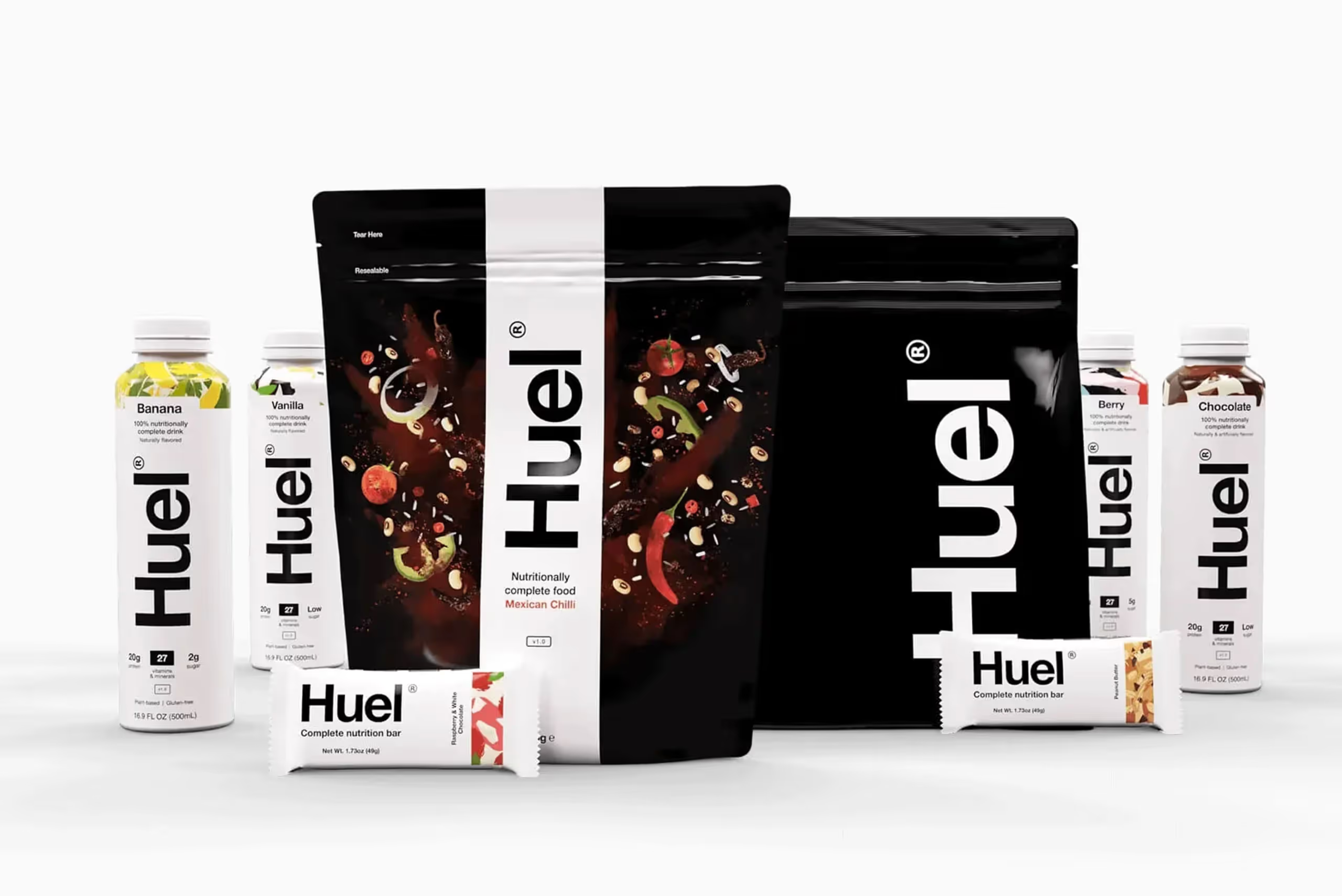
Huel's marketing captivated health enthusiasts by building a community, not just a customer base. Founder Julian Hearn, a marketer by background, launched Huel from his garage in 2015 and grew it through direct-to-consumer digital marketing, a fiercely loyal fan community known as "Hueligans", clear education about nutrition, and later celebrity investors and retail distribution. Revenue reached £214 million in the year to July 2024, and in March 2026 Danone agreed to buy the company in a deal reported at around €1 billion.
How Huel started
Huel, short for "human fuel", was created by Julian Hearn with nutritionist James Collier to offer nutritionally complete food that saves time. Hearn launched Huel from his garage on 17 June 2015, after a career in marketing roles at brands including Tesco and Starbucks and founding a marketing business of his own. On day one, Huel received just two orders.
Hearn bootstrapped the business, and Huel's first major outside funding came only in 2018. By then, he says, it had reached over £40 million in revenue.

The Huel marketing strategy: six things that drove growth
1. A clear, simple proposition
Huel's promise is easy to understand: nutritionally complete, convenient food for people short on time. Its minimal white packaging and plain-spoken tone reinforce that it is about nutrition first, which made the brand stand out in a category crowded with hype.
2. Direct-to-consumer from day one
Huel sold through its own website and subscriptions before moving into shops. Owning the customer relationship gave it data on what people bought, how long they stayed and what they paid, which helped it invest in marketing with discipline. It later expanded into retail, and is now available in more than 25,000 stores worldwide.
3. A community with a name: the Hueligans
Huel's loyal fans call themselves "Hueligans". They share recipes, routines and results on social media, giving the brand a steady stream of authentic user-generated content and feedback. A named community makes customers feel like insiders, and it's something competitors can't copy.
4. Education over hype
Huel invests in content explaining nutrition: what's in the product, why it matters and how to use it. For a product that asks people to rethink meals, clear education builds trust and answers objections before they arise.
5. Credible ambassadors and investors
In 2022, Huel raised $24 million in a round that included actor Idris Elba, Sabrina Dhowre Elba and TV presenter Jonathan Ross, valuing the business at $560 million. Elba described himself as a long-time Hueligan, which made the partnership feel genuine rather than bought.
6. Referral and subscription mechanics
Huel uses a refer-a-friend programme and subscriptions to turn satisfied customers into advocates and repeat buyers, keeping acquisition costs in check.

A lesson in disclosure
Influencer marketing comes with rules. In 2024, the UK's Advertising Standards Authority ruled against Huel over social media posts by Steven Bartlett, a Huel director and investor, that weren't clearly identified as advertising. It's a reminder that when someone has a commercial relationship with a brand, their posts need to be labelled as ads, however authentic they feel.
The results
- Revenue: £214 million in the year to July 2024, up 16%, with the company indicating at least £250 million the following year.
- Acquisition: in March 2026, Danone agreed to buy Huel in a deal the Financial Times reported values it at around €1 billion.
What other brands can learn from Huel
- Give your community an identity. A named, engaged community creates loyalty and content you can't buy.
- Own the customer relationship. Direct-to-consumer data helps you invest in marketing with discipline.
- Educate rather than hype. Clear explanations build trust, especially for products that ask people to change habits.
- Choose ambassadors who genuinely use the product. Authentic endorsements outperform paid ones.
- Disclose commercial relationships. Authentic content still needs to be labelled when there's a commercial link.
Frequently asked questions
Who founded Huel?
Huel was founded by Julian Hearn, with nutritionist James Collier, and launched in June 2015.
What does Huel stand for?
Huel is short for "human fuel".
Who owns Huel?
In March 2026, Danone agreed to acquire Huel in a deal reported at around €1 billion.
What are Hueligans?
Hueligans is the name Huel's loyal fans use for themselves. They share recipes, routines and results, forming the community at the heart of Huel's marketing.
Why is Huel's marketing so successful?
A clear proposition, direct-to-consumer data, a named and engaged community, nutrition education, credible ambassadors and referral and subscription mechanics.
Build a community-led brand
Our influencer marketing and social media teams help premium brands build communities that drive loyalty and growth.